Container Home Permits: What You Need to Know Before Buying
Can You Legally Put a Container Home on Your Land?
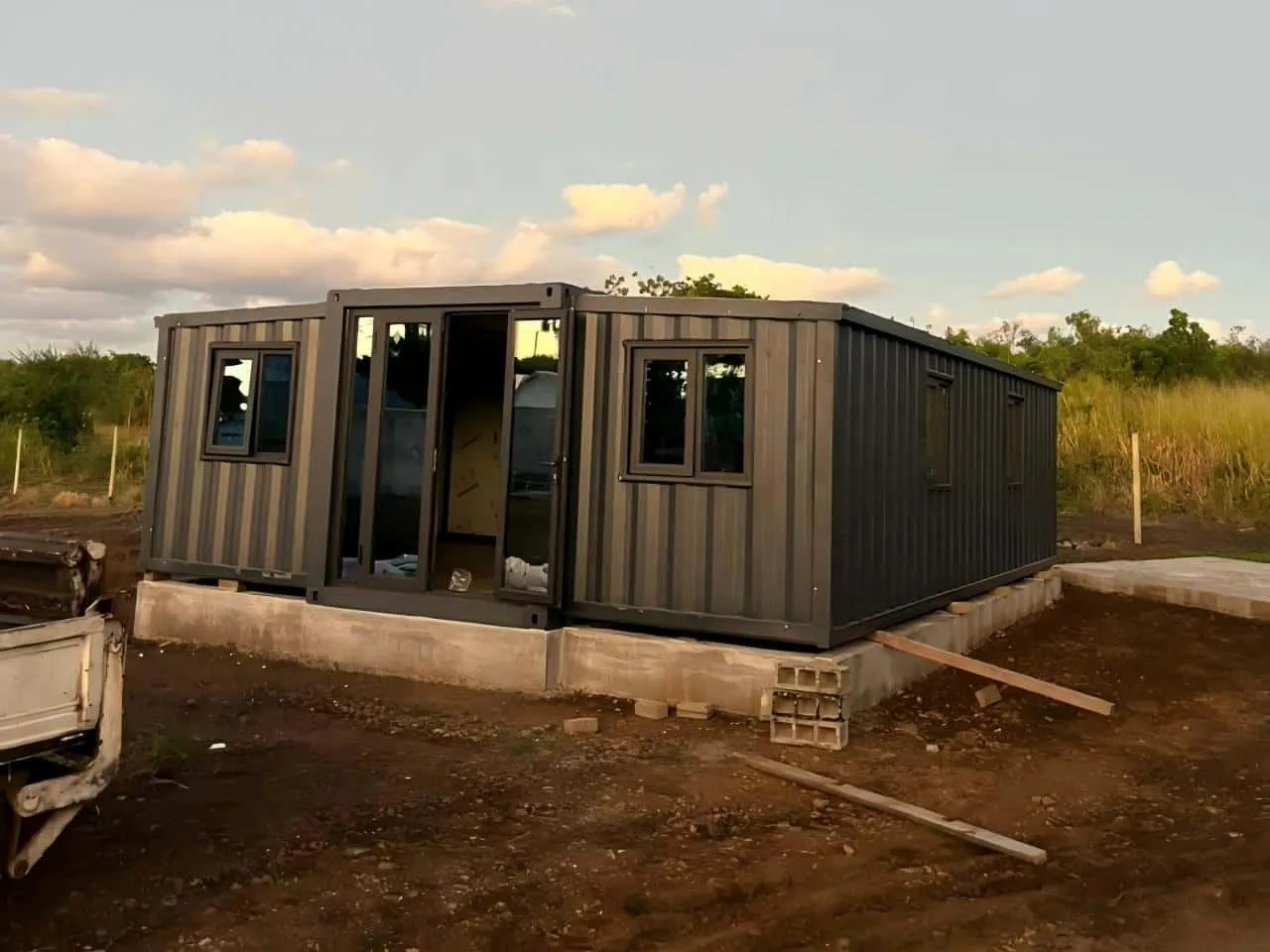
The short answer: yes, in most jurisdictions — but the permitting process varies significantly by location. Container homes are typically classified as “prefabricated buildings” or “manufactured dwellings” under building codes, which means they must meet the same structural, electrical, and plumbing standards as site-built homes.
International Building Code (IBC) Compliance
Container homes from reputable manufacturers are designed to IBC standards, which cover structural load, fire resistance, egress, and insulation. ATV Container Works units are engineered to meet or exceed these standards, with engineering certifications available for permitting authorities.
Zone Regulations
Most jurisdictions allow container homes in the following zones:
- Rural/agricultural zones — Most permissive. Often no permit needed if under a certain size (e.g., under 100 sqm in many US counties)
- Residential single-family zones — Permitted as primary dwellings or ADUs (accessory dwelling units) in most areas. May require architectural review for aesthetics
- Commercial/industrial zones — Typically approved for site offices, retail kiosks, and workforce housing without special permitting
Common Restrictions to Watch For
- Minimum square footage: Some areas require a minimum dwelling size (e.g., 50 sqm in many US municipalities). Our 10FT and 20FT models may fall below these thresholds — check before buying.
- Roof pitch requirements: HOA or design review boards may require a minimum roof pitch (typically 3/12 or steeper). Flat-roof container homes may need an add-on roof structure.
- Foundation requirements: Most codes require a permanent foundation (concrete slab or engineered piers). Temporary foundations are only permitted for temporary structures under 180 days.
- Setback requirements: Minimum distance from property lines (typically 5-15 feet depending on zone).
Permitting Process Timeline
- Pre-application research (Week 1-2): Call your local building department. Ask: “How do I permit a prefabricated container home?” Get the specific application form and fee schedule.
- Engineered drawings (Week 2-4): We provide structural engineering stamps, load calculations, and foundation details. Any licensed engineer can review and stamp if your local authority requires a local PE.
- Building permit application (Week 4-6): Submit drawings, site plan, engineering certs, and fee. Typical turnaround: 2-4 weeks for plan review.
- Inspections (After delivery): Foundation inspection before placement, framing/weatherproofing inspection, electrical rough-in, plumbing pressure test, final occupancy inspection.
Hot Climate vs Cold Climate Requirements
Container homes in cold climates need additional insulation (minimum R-21 in walls vs R-13 in mild climates). Our units ship with 100mm EPS insulation standard; upgrade to 150mm polyurethane foam for cold climate compliance. For hot climates, solar reflective roof coatings and radiant barriers are available as options.
Working With Your Building Department
Building officials who haven’t seen container homes before may default to “that’s not allowed” — but they’re almost always persuaded by proper engineering documentation. Key documents to have ready: ISO container certification, structural load calculations (snow, wind, seismic), fire resistance rating (steel frame is class A non-combustible), and energy compliance calculations.
Contact Emily Chen at emily@atvworldwide.com if you need assistance with permitting documentation — we’ve helped buyers in 12 countries navigate this process.
ATV Container Works delivers premium expandable container homes and flat pack kits worldwide. Browse our models or contact Jake at jake@atvworldwide.com for pricing and availability.
📬 Stay Updated — Container Home Guides
New posts, sale prices, and exclusive shipping discounts. Unsubscribe anytime.
Reply “Subscribe” to get new posts. No spam, ever.
🔢 Want an instant estimate?
Use our Container Home Cost Calculator — get unit price + shipping + setup in seconds.
📩 Get a Personalized Container Home Quote
Tell us your model and location — Jake or Emily will reply within 24 hours with exact pricing + shipping
No spam, unsubscribe anytime. We ship globally from Shanghai.
Related Articles: Learn more about can a container home withstand a hurricane. Learn more about are container homes actually worth it. Learn more about container home regulations in California. Learn more about container home costs in Canada. Learn more about can you relocate a container home. Learn more about do container homes rust over time. Learn more about container home depreciation and resale value. Learn more about container homes and earthquake safety. Learn more about container home warranty coverage. Learn more about container home insurance costs and requirements. Learn more about buying used container homes. Learn more about container home bathroom design. Learn more about container home temperature control. Learn more about container homes in Europe. Learn more about container homes in Australia. Learn more about what size container home for a 3 bedroom house. Learn more about container home vs modular vs manufactured.