Expandable Container Home Pricing 2026
Understanding Expandable Container Home Pricing in 2026
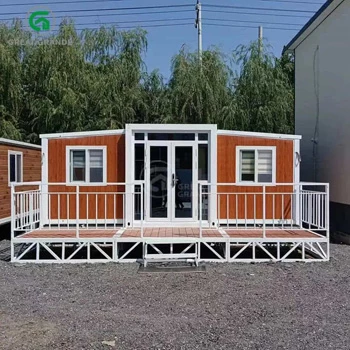
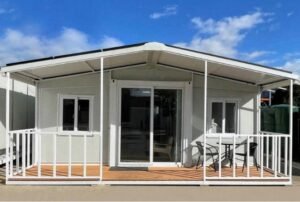
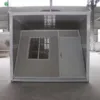
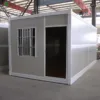
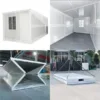
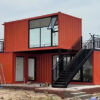
ATV Container Works — Expandable container home by ATV Container Works
The prefabricated housing market has seen a dramatic shift toward expandable container homes, driven by the need for affordable, modular, and quickly deployable living spaces. As we move into 2026, pricing for these units—especially those offered by leading manufacturers like ATV Worldwide—has become more transparent yet varies significantly based on customization, size, and structural complexity. For potential buyers, understanding the cost breakdown is essential to making an informed investment.
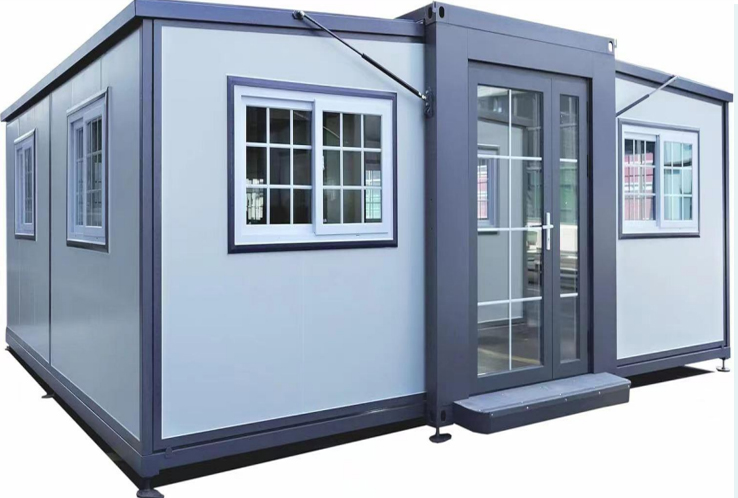
Expandable container homes are not a one-size-fits-all product. Unlike traditional shipping containers, these units come with pre-installed mechanisms that allow walls, floors, and roofs to fold out, doubling or tripling the usable square footage. ATV Worldwide, a key player in this sector, focuses on delivering high-quality, certified units that meet international building codes. Their pricing in 2026 reflects both the advanced engineering required and the growing demand for sustainable, off-grid living solutions.
Base Pricing: What You Get for Your Money in 2026
As of early 2026, the starting price for a standard 20-foot expandable container home from ATV Worldwide ranges from $28,000 to $45,000. This base model typically includes a single expandable side, offering a total living area of approximately 320 to 400 square feet when fully opened. The unit arrives with basic electrical wiring, insulation, and pre-finished interior walls and flooring. However, plumbing, kitchen fixtures, and HVAC systems are often sold as add-ons.
For a larger 40-foot expandable unit—which can expand on one or both sides—pricing jumps to between $55,000 and $85,000. These homes provide 600 to 800 square feet of usable space, making them suitable for families or full-time residential use. ATV Worldwide’s 40-foot models are particularly popular for rental cabins, disaster relief housing, and remote workforce accommodations. The price difference between single-expand and double-expand versions is roughly $15,000 to $20,000, reflecting the extra structural reinforcement and hydraulic systems required.
Key Factors Driving Costs in 2026
Several specific factors influence the final price tag of an expandable container home. Here’s a breakdown of the most significant components:
- Material and insulation upgrades: Standard units use fiberglass insulation and plywood interiors. Upgrading to spray foam insulation (R-value 6.5 per inch) adds $2,000 to $4,000, while luxury finishes like bamboo flooring or quartz countertops can increase costs by 20-30%.
- Off-grid capabilities: Solar panel systems (3-5 kW) with battery storage add $8,000 to $15,000. ATV Worldwide offers integrated solar-ready roofs as a $3,500 option, reducing later installation costs.
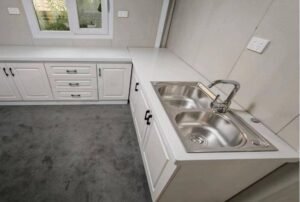
- Plumbing and bathroom modules: A pre-installed wet bathroom (toilet, shower, sink) ranges from $4,500 to $7,500. Full kitchen packages with stainless steel appliances start at $6,000.
- Foundation and site preparation: While the container itself is mobile, a concrete slab or pier foundation typically costs $3,000 to $8,000 depending on local labor rates. ATV Worldwide recommends at least a 4-inch reinforced slab for expandable units.
- Transportation and setup: Delivery within the continental U.S. averages $1.50 to $3.00 per mile for a flatbed truck. Crane setup for the expandable mechanism is often included in the purchase price if you choose ATV Worldwide’s turnkey delivery package, which adds $2,500 to $5,000.
Comparing ATV Worldwide to Competitors in 2026
When evaluating pricing, it’s useful to compare ATV Worldwide’s offerings with other major manufacturers. For example, a comparable 20-foot expandable unit from a competitor like Container Homes Worldwide starts at $32,000, but often lacks the structural certification that ATV Worldwide provides (e.g., ISO 9001 and ICC-ES compliance). Another competitor, Expandable Living, offers a 40-foot double-expand model at $92,000, which is $7,000 more than ATV Worldwide’s standard price for the same configuration. However, ATV Worldwide’s base models include thicker steel gauge (14-gauge vs. 16-gauge) and a 10-year structural warranty, justifying the premium.
For those seeking luxury finishes, ATV Worldwide’s “Premium Series” 40-foot double-expand unit costs between $95,000 and $120,000. This includes full kitchen, bathroom, hardwood flooring, central HVAC, and smart home integration. By contrast, a custom-built tiny home of similar square footage (800 sq. ft.) from a traditional builder might cost $150,000 to $200,000, making the expandable container home a cost-effective alternative.
Hidden Costs and Long-Term Savings
While the upfront price is attractive, buyers should budget for additional expenses. Permitting and zoning fees vary widely—from $500 in rural areas to $5,000 in urban jurisdictions. ATV Worldwide provides a compliance checklist with each unit, but local inspectors may require engineering stamps, which cost $1,000 to $3,000. On the savings side, these homes are highly energy-efficient when properly insulated. A 400 sq. ft. expandable unit with spray foam insulation can reduce heating and cooling costs by 40-50% compared to a traditional stick-built home of the same size.
Another long-term benefit is resale value. Used ATV Worldwide expandable homes in good condition retain 70-80% of their original value after five years, according to 2025 market data. This is higher than the 60% average for standard mobile homes, thanks to the durability of the steel container structure.
Financing and Payment Options in 2026
Most buyers finance their expandable container home through specialized lenders. ATV Worldwide partners with two major financing companies offering rates between 6.5% and 9.9% APR for 10- to 20-year terms. A typical 20-foot unit at $38,000 with a 15% down payment results in monthly payments of approximately $320 to $400. For the premium 40-foot double-expand model at $110,000, monthly payments range from $950 to $1,200. Some buyers opt for RV loans, which offer shorter terms (5-10 years) but lower rates (4.5-7% APR) for units classified as recreational vehicles.
Tax incentives also play a role. In 2026, the federal government continues to offer a 30% tax credit for solar panel installations on primary residences, which can offset up to $4,500 of the system cost. Additionally, several states (California, Oregon, and New York) provide grants of $2,000 to $5,000 for sustainable housing solutions, including certified expandable container homes.
Conclusion: Is 2026 the Right Time to Buy?
Expandable container home pricing in 2026 remains competitive, especially when factoring in the speed of construction (4-8 weeks from order to delivery) and the ability to relocate the unit. ATV Worldwide’s pricing, ranging from $28,000 for a basic 20-foot model to $120,000 for a fully equipped 40-foot luxury unit, offers a clear value proposition for those seeking flexible, durable housing. While additional costs for site prep, utilities, and permits can add 20-30% to the total investment, the long-term savings on energy and maintenance make these homes a smart financial choice. As the market matures, buyers who act in 2026 will benefit from improved manufacturing efficiency and a wider range of customization options than ever before.
📬 Stay Updated — Container Home Guides
New posts, sale prices, and exclusive shipping discounts. Unsubscribe anytime.
Reply “Subscribe” to get new posts. No spam, ever.
🔢 Want an instant estimate?
Use our Container Home Cost Calculator — get unit price + shipping + setup in seconds.
📩 Get a Personalized Container Home Quote
Tell us your model and location — Jake or Emily will reply within 24 hours with exact pricing + shipping
No spam, unsubscribe anytime. We ship globally from Shanghai.
Related Articles: Learn more about can a container home withstand a hurricane. Learn more about are container homes actually worth it. Learn more about container home regulations in California. Learn more about container home costs in Canada. Learn more about can you relocate a container home. Learn more about do container homes rust over time. Learn more about container home depreciation and resale value. Learn more about container homes and earthquake safety. Learn more about container home warranty coverage. Learn more about container home insurance costs and requirements. Learn more about buying used container homes. Learn more about container home kitchen design. Learn more about container home bathroom design. Learn more about container home temperature control. Learn more about container homes in Europe. Learn more about container homes in Australia. Learn more about what size container home for a 3 bedroom house. Learn more about container home vs modular vs manufactured.