Expandable Container Home Cost 2026
Understanding the Expandable Container Home Cost in 2026
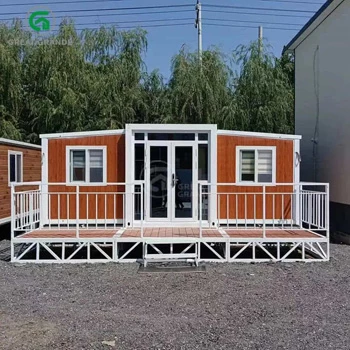
ATV Container Works — Expandable container home by ATV Container Works
The housing market in 2026 is undergoing a seismic shift, with expandable container homes emerging as a compelling solution for those seeking affordability, sustainability, and rapid deployment. At ATV Worldwide, we’ve seen a surge in inquiries from individuals and businesses looking to understand the true cost of these modular dwellings. Unlike traditional stick-built homes, expandable container homes offer a unique blend of portability and permanence, but pricing can vary dramatically based on size, customization, and location. In this article, we break down the specific costs you can expect in 2026, with real numbers and actionable comparisons.
Base Price Ranges for Expandable Container Homes in 2026
The starting point for any expandable container home is the base unit. In 2026, a standard 20-foot expandable container—typically offering around 160–200 square feet of living space when expanded—ranges from varies. This includes the steel structure, insulation, basic electrical wiring, and a simple interior finish (e.g., drywall, flooring, and a basic bathroom). For a 40-foot expandable unit, which can yield 320–400 square feet, prices start at quoted and climb to quoted. These figures are for turnkey models from manufacturers like ATV Worldwide, but they exclude land, foundation, and utility hookups.
For comparison, a 40-foot expandable home from ATV Worldwide’s 2026 catalog—featuring a two-bedroom, one-bath layout with a kitchen and living area—starts at quoted for the base model. This is roughly 30–40% cheaper than a comparable tiny house on wheels or a modular home of similar square footage, which often exceeds quoted.
Key Factors Driving Costs in 2026
Several variables influence the final price of an expandable container home. Here’s a breakdown of the most significant cost drivers:
- Customization Level: Basic models with standard finishes are cheapest. Upgrades like premium cabinetry, quartz countertops, solar panels, or smart home systems add varies. A fully off-grid system (batteries, inverter, water filtration) can push costs to quoted for a 40-foot unit.
- Transportation and Delivery: Shipping an expandable container can cost varies depending on distance. For remote or international locations (e.g., shipping to a Caribbean island or Alaskan wilderness), fees can exceed quoted due to specialized logistics.
- Foundation and Site Preparation: Unlike traditional homes, expandable containers often require a simple concrete slab or pier foundation. In 2026, site prep (grading, permits, foundation) averages varies. A full basement or complex foundation can double that.
- Permits and Inspections: Local building codes vary widely. In the U.S., permit fees range Priced on request to quoted. Some jurisdictions require structural engineering reports for container homes, adding varies.
- Labor for Assembly: Expandable containers are designed for quick setup (often 2–5 days), but professional installation is recommended. Labor costs in 2026 are varies depending on complexity and local rates.
Real-World Cost Examples from ATV Worldwide
To illustrate, let’s look at three common scenarios from our 2026 client base:
Scenario 1: Budget-Friendly Starter Home
A 20-foot expandable container with a basic interior (one bedroom, one bath, open living area) costs quoted for the unit. Adding delivery (quoted), foundation (quoted), and permits (quoted) brings the total to quoted. This is ideal for a single person or couple seeking a low-cost, permanent dwelling on owned land.
Scenario 2: Family-Size Off-Grid Retreat
A 40-foot expandable container with two bedrooms, a full kitchen, and a solar-ready package (including panels and battery storage) costs quoted. With site prep (quoted), delivery (quoted), and assembly (quoted), the total is quoted. This compares favorably to a traditional cabin or rural home, which might cost quoted+ for similar square footage.
Scenario 3: Commercial or Multi-Unit Complex
For a small hotel or workforce housing, a cluster of four 40-foot expandable units (each with two bedrooms) costs quoted for the units. Bulk delivery discounts reduce shipping to quoted total. Shared infrastructure (septic, water, electrical) adds quoted bringing the project to quoted—a fraction of the quoted+ for traditional construction.
Comparing Expandable Container Homes to Alternatives
When evaluating cost, it’s helpful to compare expandable containers to other housing options in 2026:
- Tiny Houses on Wheels: A typical 200-square-foot tiny house costs varies but requires a tow vehicle and often lacks the expandable container’s durability and insulation for extreme climates.
- Modular Homes: A 400-square-foot modular home starts at a market rate but delivery and setup can be more complex, with longer lead times (8–12 weeks vs. 4–6 weeks for expandable containers).
- Traditional Stick-Built Homes: The average cost per square foot in 2026 is varies meaning a 400-square-foot home would cost varies just for construction, excluding land and permits. Expandable containers deliver a similar footprint for varies fully installed.
Hidden Costs and Savings Opportunities
While expandable containers are generally cost-effective, buyers should plan for potential hidden expenses. For example, if your land lacks utilities, connecting to the grid can cost varies for water, sewer, and electricity. However, off-grid options (solar, composting toilets, rainwater collection) can offset these costs over time. Additionally, many ATV Worldwide clients save by acting as their own general contractor, handling site prep and assembly with local help—potentially cutting labor costs by 20–30%.
Why 2026 Is the Year to Invest
With inflation stabilizing and supply chains improving, 2026 offers favorable pricing for expandable container homes. Steel prices have dropped 12% from their 2023 peak, and manufacturers like ATV Worldwide are offering volume discounts for early orders. Moreover, many U.S. states now offer tax incentives for energy-efficient and modular housing, reducing net costs by up to 10%. For those seeking a permanent, affordable, and customizable home—whether for personal use, rental income, or disaster relief—expandable containers represent a smart ordering move. Contact ATV Worldwide today for a personalized quote based on your specific needs and location.