Flat Pack Container House Assembly
Introduction: The Rise of the Flat Pack Container House
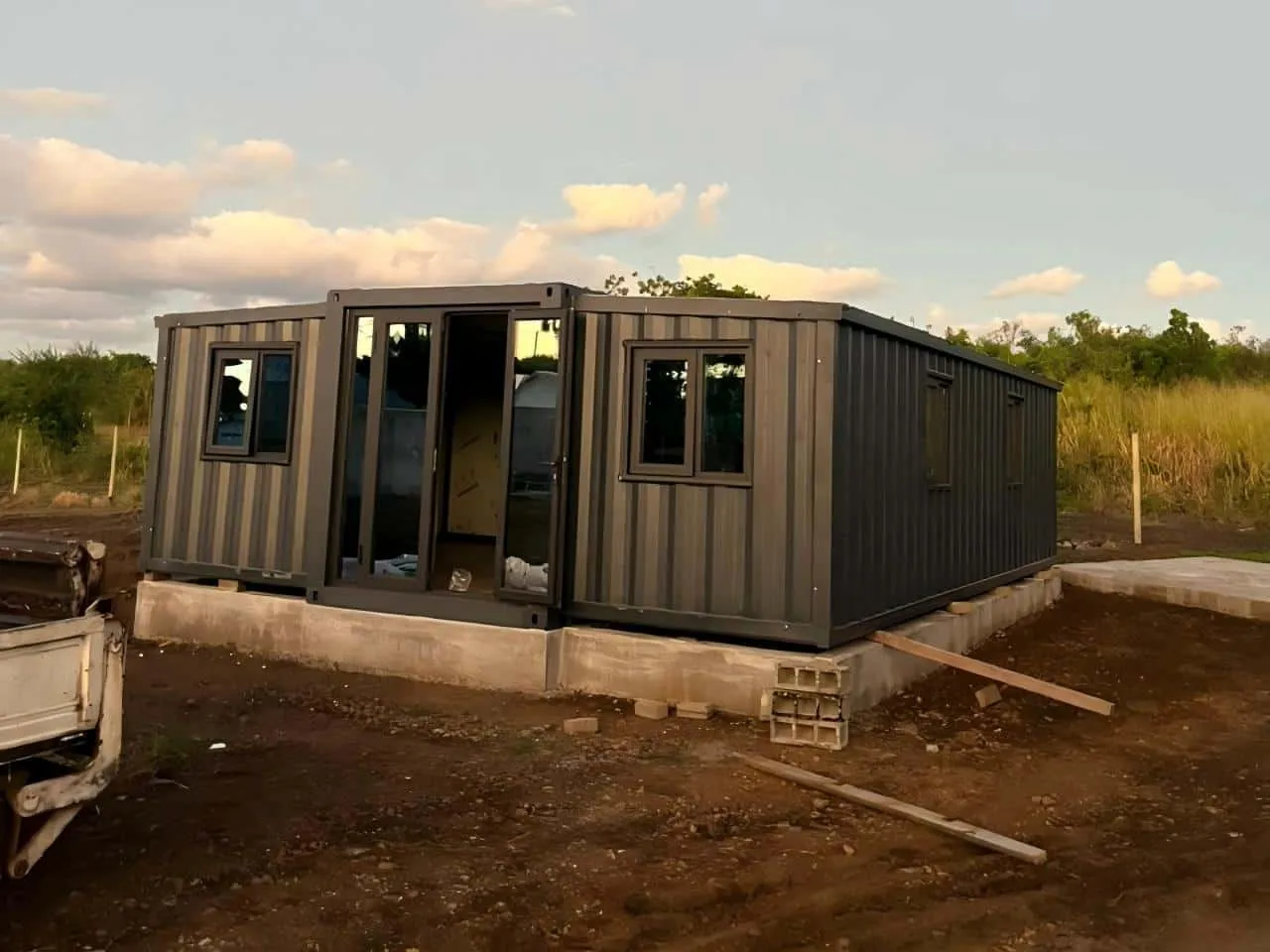
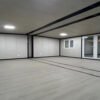
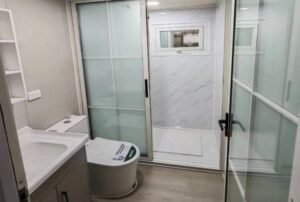
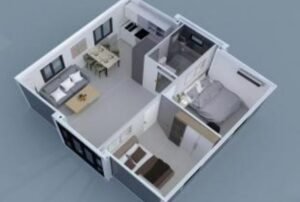
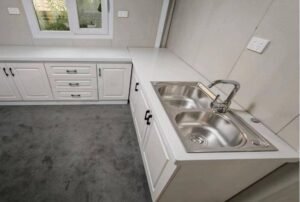
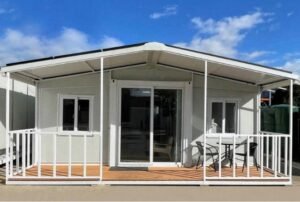
ATV Container Works — Flat pack container house wall panel assembly
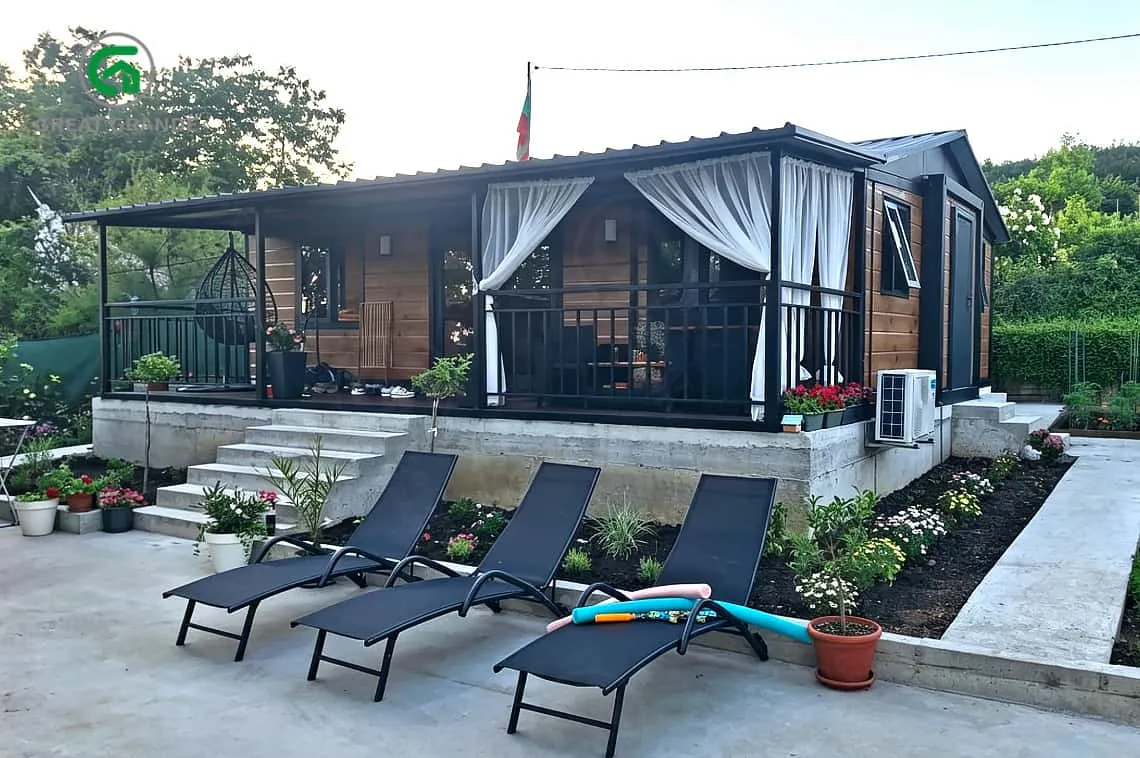
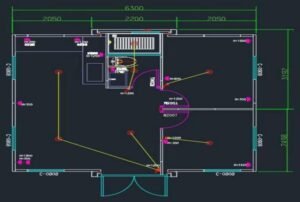
ATV Container Works — Factory assembly of container home panels
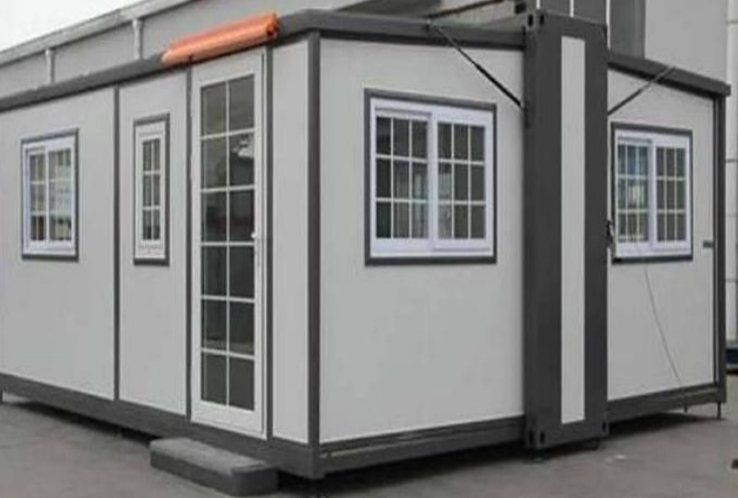
The global housing landscape is undergoing a quiet revolution. As urbanization accelerates and the need for affordable, sustainable, and rapidly deployable structures grows, the flat pack container house has emerged as a formidable solution. Unlike traditional shipping container homes that arrive as a single, heavy steel box, flat pack designs are disassembled into modular panels, shipped in a compact bundle, and assembled on-site. For companies like ATV Worldwide, which specializes in innovative modular construction, this method represents a paradigm shift in how we think about building.
But what exactly does the assembly process entail? How long does it take? And what are the specific advantages over conventional methods? This article provides a detailed, step-by-step guide to flat pack container house assembly, backed by specific numbers and real-world comparisons.
Why Choose a Flat Pack Container House? Key Advantages
Before diving into assembly, it is crucial to understand why this method is gaining traction. A standard 20-foot shipping container weighs approximately 2,200 kg (4,850 lbs) and has a fixed volume. A flat pack system, by contrast, reduces shipping volume by up to 70%. For example, a 40-foot flat pack house (approx. 30 m² / 323 ft²) can be packed into a single standard pallet measuring 2.4m x 1.2m x 1.5m, weighing around 1,800 kg. This drastically lowers international freight costs—often by 40-60% compared to a pre-assembled container.
Additionally, flat pack houses offer superior design flexibility. You are not constrained by the rigid dimensions of a standard container. Panels can be cut, shaped, and insulated to meet local building codes. ATV Worldwide, for instance, offers models with R-values (thermal resistance) ranging from R-13 to R-30, depending on climate zone, which is comparable to traditional wood-frame construction.
Step 1: Site Preparation and Foundation
Assembly begins not with the panels, but with the ground. A flat pack container house requires a level, stable foundation. The most common options are:
- Concrete slab: Recommended for permanent installations. A 30 m² slab typically requires 3-4 m³ of concrete (approx. 6-8 cubic yards), costing between $800 and $1,500 depending on local rates.
- Concrete piers or screw piles: For temporary or sloped sites. Screw piles can be installed in 30-45 minutes per pile, with 6-8 piles needed for a 20-foot unit.
- Gravel pad with timber skids: The most cost-effective option, often used for seasonal cabins. Requires 10-15 cm (4-6 inches) of compacted gravel.
ATV Worldwide recommends a minimum curing time of 7 days for a concrete slab before assembly begins. For screw piles, assembly can start immediately after installation.
Step 2: Unpacking and Inventory Check
Upon delivery, the flat pack arrives in a weatherproof crate. A typical 30 m² kit includes:
- Floor panels: 4-6 interlocking sections (e.g., 2.4m x 1.2m each), pre-insulated with 50mm PIR foam.
- Wall panels: 8-12 panels, including window and door cutouts, with integrated electrical conduits.
- Roof panels: 4-6 panels, often with a slight pitch (5-10 degrees) for water runoff.
- Hardware kit: Bolts, nuts, sealing gaskets, corner brackets, and a torque wrench.
- Optional components: Pre-hung doors, double-glazed windows (U-value of 1.2 W/m²K), and solar-ready roof mounts.
ATV Worldwide provides a detailed bill of lading. A two-person team should expect 1-2 hours for unpacking and cross-referencing parts. Missing or damaged components are rare (less than 2% of shipments), but the company offers a 24-hour replacement guarantee for critical items.
Step 3: Floor Assembly
The floor is the structural base. Panels are laid out on the foundation, aligned with pre-drilled anchor points. Each panel connects via a tongue-and-groove system, secured with M12 stainless steel bolts spaced every 600 mm (24 inches). A critical step is the application of a butyl rubber sealing tape along all joints to prevent moisture ingress.
For a 30 m² floor, two people can complete this step in approximately 2-3 hours. The finished floor has a load capacity of 500 kg/m² (102 psf), which exceeds the typical residential requirement of 240 kg/m² (50 psf).
Step 4: Wall Panel Erection
This is the most labor-intensive phase. Wall panels are lifted manually (each weighs 40-60 kg / 88-132 lbs) and positioned onto the floor’s perimeter edge. They are temporarily braced with adjustable metal struts until the roof is installed.
Key assembly details:
- Corner connections: Panels interlock using a cam-lock mechanism. A single 90-degree turn of a hex key secures two panels together.
- Sealing: EPDM rubber gaskets are pre-attached to panel edges. A final bead of silicone sealant is applied at all vertical joints.
- Electrical: Pre-installed conduit stubs align automatically; a licensed electrician connects them in under an hour.
For a 30 m² house with 8 wall panels, two people can erect all walls in 4-6 hours. ATV Worldwide recommends using a third person for panels exceeding 3 meters in height.
Step 5: Roof Installation
The roof panels are lifted into place using a manual hoist or, for larger units, a small crane (rental cost: $200-$400 per day). Panels are bolted to the top of the walls using M16 bolts at 400 mm (16-inch) centers. A continuous, pre-applied EPDM membrane covers the roof, requiring no additional waterproofing for standard climates.
For a 30 m² roof, installation takes 3-4 hours. The completed structure can support a live load of 100 kg/m² (20 psf) for snow or maintenance access. ATV Worldwide’s roof panels include integrated ventilation channels to prevent condensation—a common issue in standard shipping containers.
Step 6: Finishing and Systems Integration
Once the shell is complete, interior finishing begins. This includes:
- Windows and doors: Pre-hung units slide into wall cutouts and are secured with 12 screws per unit. A single window takes 30 minutes to install.
- Plumbing: Pre-routed PEX pipes connect to a central manifold. A standard bathroom setup (toilet, sink, shower) requires 4-6 hours for a plumber.
- Interior cladding: Optional gypsum board or plywood panels are screwed to the interior steel frame. ATV Worldwide offers pre-finished, fire-rated panels (Class A) that snap into place without additional drywall.
A fully finished flat pack container house can be move-in ready within 5-7 days for a 30 m² model, compared to 4-6 months for traditional construction.
Cost and Time Comparison: Flat Pack vs. Traditional
To give you a clear picture, here is a side-by-side comparison for a 30 m² (323 ft²) dwelling:
| Metric | Flat Pack Container House (ATV Worldwide) | Traditional Stick-Built House |
|---|---|---|
| Material cost (USD) | $8,000 – $12,000 | $15,000 – $25,000 |
| Shipping cost (international) | $1,200 – $2,000 | $3,500 – $6,000 (if pre-built) |
Labor time (
📬 Stay Updated — Container Home GuidesNew posts, sale prices, and exclusive shipping discounts. Unsubscribe anytime. Reply “Subscribe” to get new posts. No spam, ever. 🔢 Want an instant estimate? Use our Container Home Cost Calculator — get unit price + shipping + setup in seconds. 📩 Get a Personalized Container Home QuoteTell us your model and location — Jake or Emily will reply within 24 hours with exact pricing + shipping No spam, unsubscribe anytime. We ship globally from Shanghai. Related Articles: Learn more about can a container home withstand a hurricane. Learn more about are container homes actually worth it. Learn more about container home costs in Canada. Learn more about can you relocate a container home. Learn more about do container homes rust over time. Learn more about container home depreciation and resale value. Learn more about container home warranty coverage. Learn more about container home insurance costs and requirements. Learn more about buying used container homes. Learn more about container home bathroom design. Learn more about container home temperature control. Learn more about container homes in Europe. Learn more about container homes in Australia. Learn more about what size container home for a 3 bedroom house. Learn more about container home vs modular vs manufactured.
About author
Related posts
Att söka efter hur man bygger ett containerhus ger vanligtvis upphov till en röra av motstridiga råd. Här är processen i den ordning det faktiskt... Continue reading
Căutarea modului de a construi un container acasă aduce, de obicei, înapoi o mizerie de sfaturi contradictorii. Aici este procesul în ordinea în care se... Continue reading
Vyhľadávanie, ako postaviť kontajner domov zvyčajne prináša späť neporiadok protichodné rady. Tu je proces v poradí, ako sa to naozaj stane, a to od výberu... Continue reading
Fittex kif jibnu dar kontenitur normalment iġib lura mess ta ‘pariri konfliġġenti. Hawnhekk huwa l-proċess fl-ordni li attwalment jiġri ħadma mill-għażla l-unità li jaqilbu fuq... Continue reading
Zoeken hoe je een container thuis te bouwen meestal brengt terug een puinhoop van conflicterende advies. Hier is het proces in de volgorde die het... Continue reading
Comments are closed Products
Recent Posts
Recent
Popular


Container Home Cost Breakdown 2026: What You ...June 1, 2026 Comments Off on Container Home Cost Breakdown 2026: What You Actually Pay (Itemized)
Container Homes: Redefining Sustainable Living SpacesDecember 24, 2023 Comments Off on Container Homes: Redefining Sustainable Living Spaces
Container Home Shipping Cost From China: Complete ...June 1, 2026 Comments Off on Container Home Shipping Cost From China: Complete Guide (2026)
Container Home vs Barndominium vs Tiny House: ...June 1, 2026 Comments Off on Container Home vs Barndominium vs Tiny House: Which Is Cheaper?
How Much Does It Cost to Insulate ...August 11, 2026 Comments Off on How Much Does It Cost to Insulate a Container Home? (Real 2026 Numbers) |