Quick answer
A container home pairs well with solar because the roof area suits panels and the unit can be wired for battery storage at order. An off-grid system combines panels, batteries and an inverter; a grid-tied system cuts bills while staying connected. Size the system to your climate and usage.
- Rooftop area suits solar panels well
- Battery storage enables off-grid living
- Size the system to climate and usage
Get your exact quote on WhatsApp
Why solar suits container homes
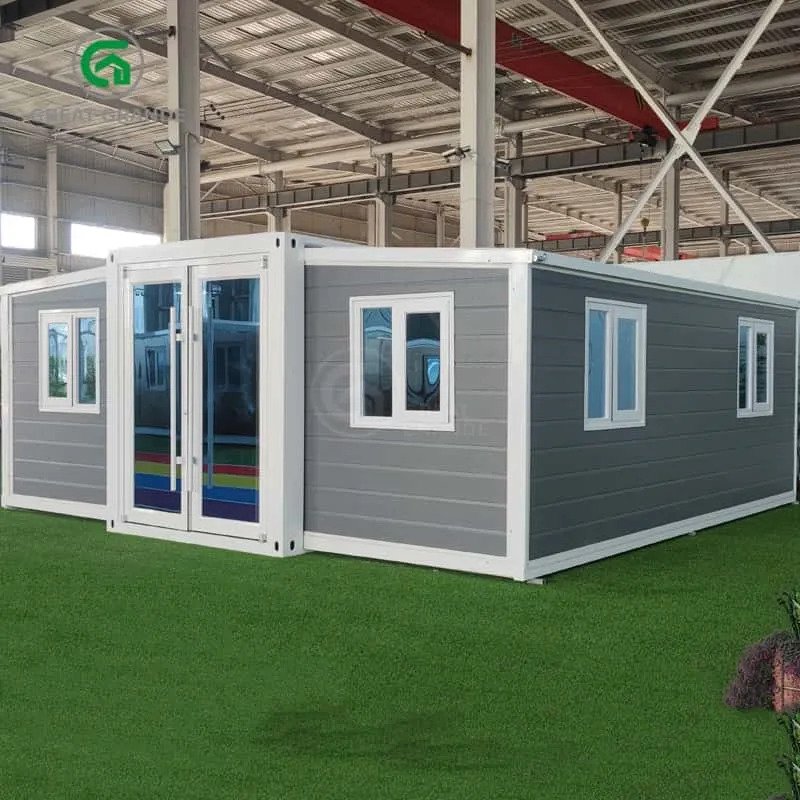
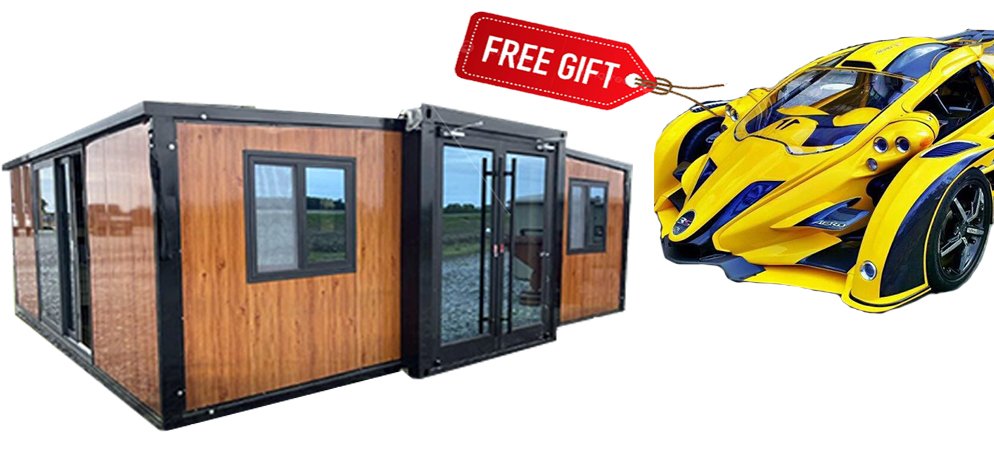
A container unit has a clean, flat roof that takes panels neatly, and because it is wired at the factory, adding a solar input and battery storage is straightforward.
Off-grid versus grid-tied
Off-grid combines panels, batteries and an inverter to run independently. Grid-tied uses panels to cut bills while staying connected. Which you choose depends on your site and your goals.
Sizing the system
The right size depends on your climate, your appliances and how much you want to run on stored power. A larger battery lets you ride through cloudy or dark periods.
Efficiency first
Insulation, efficient appliances and lighting reduce how much power you need, which reduces the system size and cost. Efficiency always comes before generation.
Planning it in
Tell us the site and intended use at order so the unit is wired and specified to accept the system you have in mind.
Ordering
Send your requirements and nearest port for a quote. Bank transfer in full; delivery port-to-port (FOB).
Frequently asked questions
Do you offer financing?
No. Payment is by bank transfer in full before production.
How are units delivered?
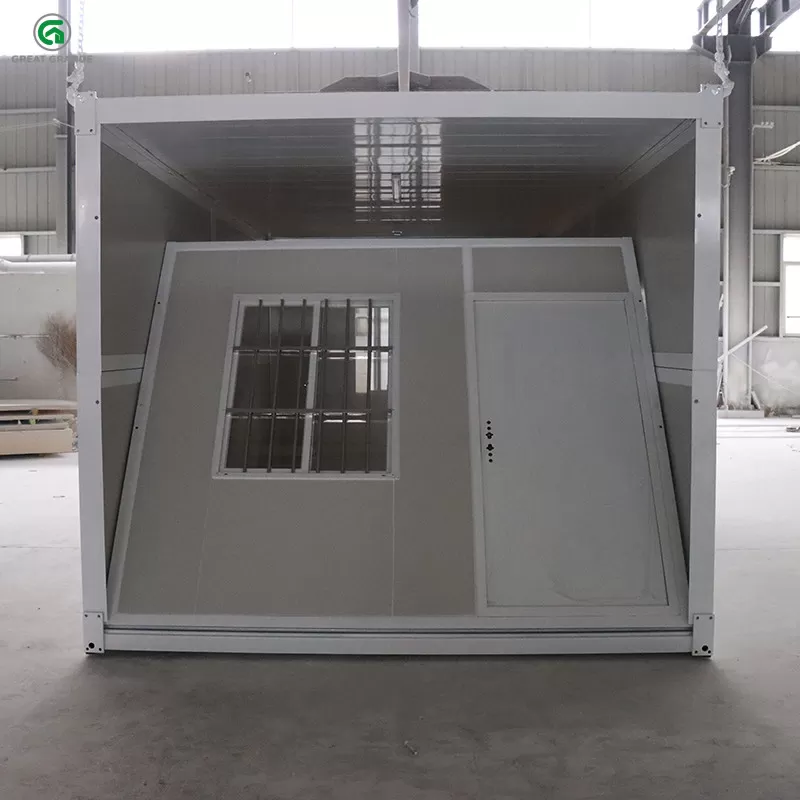
Units ship folded and are delivered port-to-port (FOB). You arrange local transport from the port to your site.
Can I order more than one unit?
Yes. Multi-unit orders ship together, which lowers the freight cost per unit.
Get your exact quote on WhatsApp: message us.
Tariffs, duties and shipping are extra.