Quick answer
Site preparation for a container home means levelling and draining the ground, setting a foundation or pads suited to the soil and frost conditions, ensuring delivery access for the truck and lifting equipment, and bringing water, power and drainage to the point of use. Done before arrival, it keeps the project on schedule.
- Level, drained ground prevents distortion
- Foundations sized for soil, slope and frost
- Services brought to site before the unit arrives
Get your exact quote on WhatsApp
Level and drain the ground
A stiff container unit needs a level, well-drained base. Poor drainage or a sloped pad distorts the frame over time. Prepare the ground properly before anything else.
Design the foundation
A slab, strip footings or screw piles, sized for the soil, the slope and the frost depth. In cold regions, frost movement is the main risk to a level unit.
Check delivery access
The delivery vehicle and lifting equipment must reach the pad. Check gate widths, overhead lines and ground bearing capacity on the route in.
Bring services in
Water, power and drainage should reach the point of use before the unit arrives. Trenching and connection after the fact delays the project.
Plan for climate
In cold or wet climates, add drainage and consider insulation under the unit. In hot climates, consider shading and ventilation to the base.
Ordering
Send your size and site details and your nearest port for a quote. Bank transfer in full; delivery port-to-port (FOB).
Frequently asked questions
Do you offer financing?
No. Payment is by bank transfer in full before production.
How are units delivered?
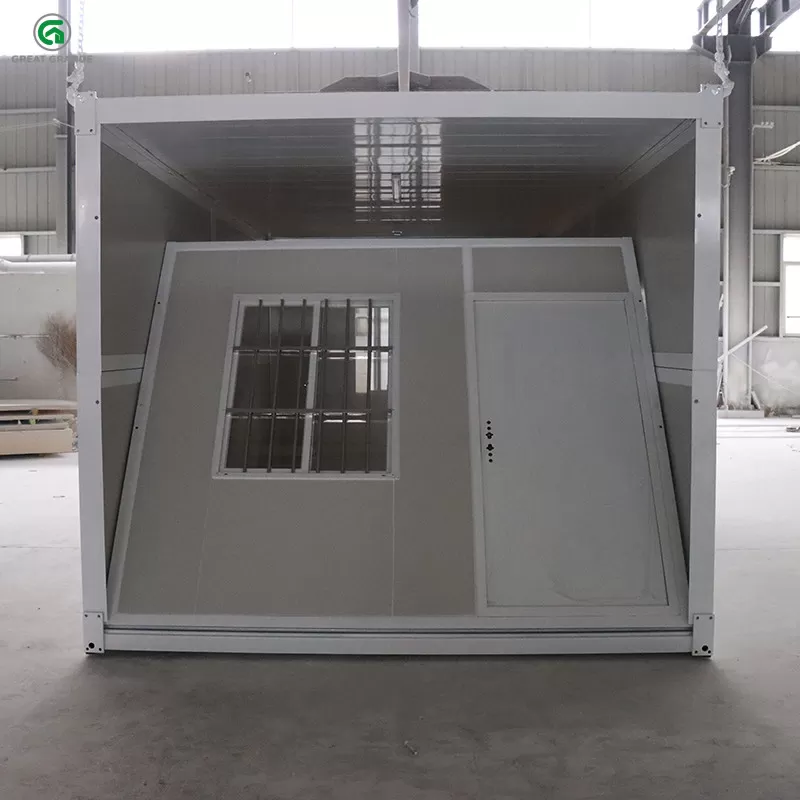
Units ship folded and are delivered port-to-port (FOB). You arrange local transport from the port to your site.
Can I order more than one unit?
Yes. Multi-unit orders ship together, which lowers the freight cost per unit.
Get your exact quote on WhatsApp: message us.
Tariffs, duties and shipping are extra.