Quick answer
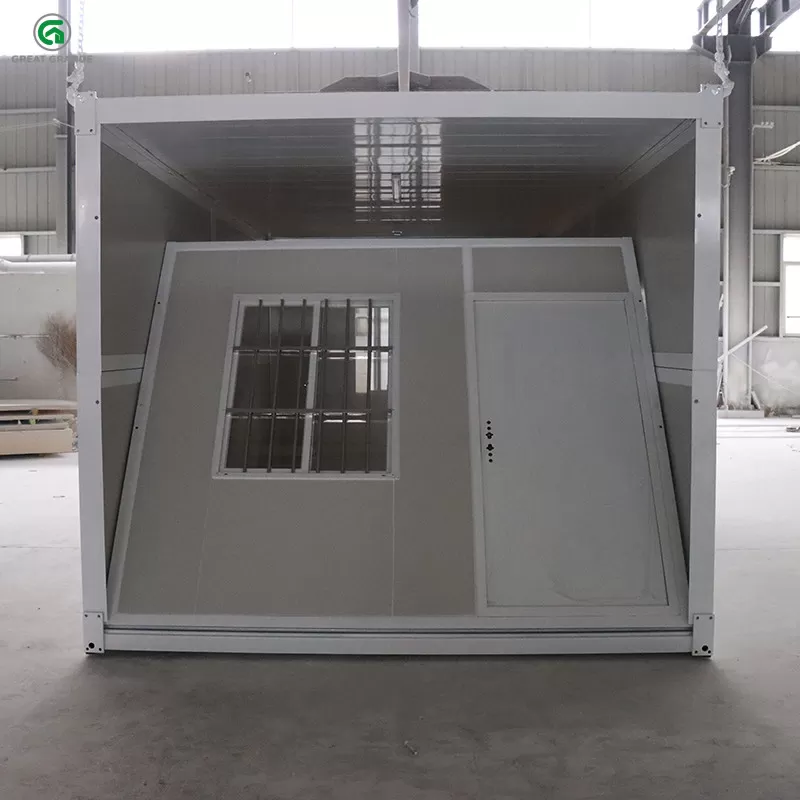
Container Home Delivery: The Step-by-Step Process — in short: expandable container homes are built to order, shipped folded to keep freight low, and delivered port-to-port. Every order is quoted individually because shipping, tariffs and duties depend on destination.
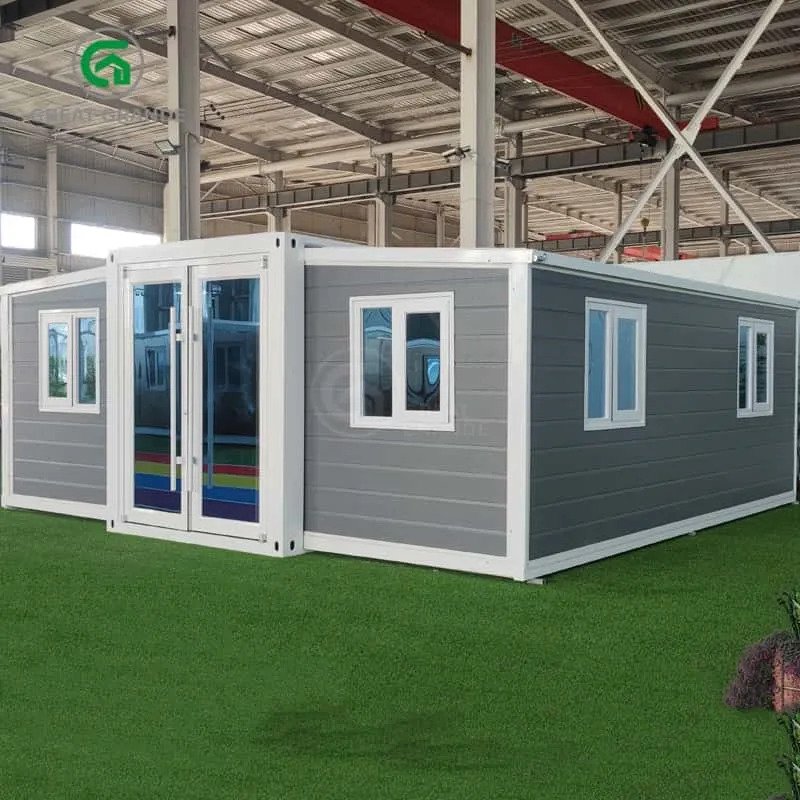
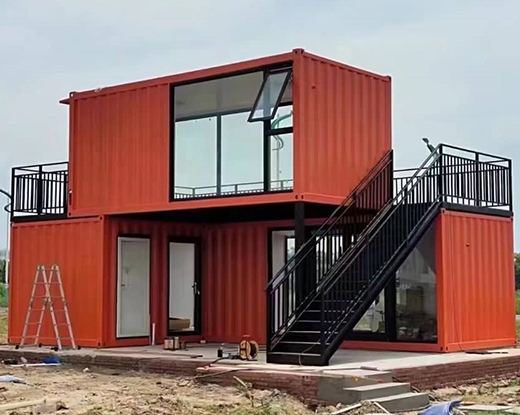
- Sizes from 10FT (18.5 sqm) to 40FT (74 sqm), plus double-storey villas.
- Units arrive internally finished; services connect on site.
- Ask for a quote with your nearest port and required size.
Get your quote on WhatsApp — tell us your size and nearest port.
The takeaway
Order, ship, clear, transport, place, hook up. Five steps. Plan the pad and the crane access and the rest runs itself.
Connect power, water, and waste, and the unit is ready. Because it arrives finished, this is the same as setting up any static structure.
Payment, plainly: no financing; bank transfer in full, port-to-port.
The takeaway
Order, ship, clear, transport, place, hook up. Five steps. Plan the pad and the crane access and the rest runs itself.
Step 5: hookup
Connect power, water, and waste, and the unit is ready. Because it arrives finished, this is the same as setting up any static structure.
Payment, plainly: no financing; bank transfer in full, port-to-port.
The takeaway
Order, ship, clear, transport, place, hook up. Five steps. Plan the pad and the crane access and the rest runs itself.
A level pad and clear crane access avoid a second lift.
Step 5: hookup
Connect power, water, and waste, and the unit is ready. Because it arrives finished, this is the same as setting up any static structure.
Payment, plainly: no financing; bank transfer in full, port-to-port.
The takeaway
Order, ship, clear, transport, place, hook up. Five steps. Plan the pad and the crane access and the rest runs itself.
From the port, you arrange local transport and a crane to lift and place the unit. Access at the site is the main thing to plan.
A level pad and clear crane access avoid a second lift.
Step 5: hookup
Connect power, water, and waste, and the unit is ready. Because it arrives finished, this is the same as setting up any static structure.
Payment, plainly: no financing; bank transfer in full, port-to-port.
The takeaway
Order, ship, clear, transport, place, hook up. Five steps. Plan the pad and the crane access and the rest runs itself.
Step 4: port to site
From the port, you arrange local transport and a crane to lift and place the unit. Access at the site is the main thing to plan.
A level pad and clear crane access avoid a second lift.
Step 5: hookup
Connect power, water, and waste, and the unit is ready. Because it arrives finished, this is the same as setting up any static structure.
Payment, plainly: no financing; bank transfer in full, port-to-port.
The takeaway
Order, ship, clear, transport, place, hook up. Five steps. Plan the pad and the crane access and the rest runs itself.

Step 4: port to site
From the port, you arrange local transport and a crane to lift and place the unit. Access at the site is the main thing to plan.
A level pad and clear crane access avoid a second lift.
Step 5: hookup
Connect power, water, and waste, and the unit is ready. Because it arrives finished, this is the same as setting up any static structure.
Payment, plainly: no financing; bank transfer in full, port-to-port.
The takeaway
Order, ship, clear, transport, place, hook up. Five steps. Plan the pad and the crane access and the rest runs itself.
A local customs agent makes this step painless.
Step 4: port to site
From the port, you arrange local transport and a crane to lift and place the unit. Access at the site is the main thing to plan.
A level pad and clear crane access avoid a second lift.
Step 5: hookup
Connect power, water, and waste, and the unit is ready. Because it arrives finished, this is the same as setting up any static structure.
Payment, plainly: no financing; bank transfer in full, port-to-port.
The takeaway
Order, ship, clear, transport, place, hook up. Five steps. Plan the pad and the crane access and the rest runs itself.
At the port, customs duties and clearance fees are handled. These are set by your government and are additional to the unit price.
A local customs agent makes this step painless.
Step 4: port to site
From the port, you arrange local transport and a crane to lift and place the unit. Access at the site is the main thing to plan.
A level pad and clear crane access avoid a second lift.
Step 5: hookup
Connect power, water, and waste, and the unit is ready. Because it arrives finished, this is the same as setting up any static structure.
Payment, plainly: no financing; bank transfer in full, port-to-port.
The takeaway
Order, ship, clear, transport, place, hook up. Five steps. Plan the pad and the crane access and the rest runs itself.
Step 3: port clearance
At the port, customs duties and clearance fees are handled. These are set by your government and are additional to the unit price.
A local customs agent makes this step painless.
Step 4: port to site
From the port, you arrange local transport and a crane to lift and place the unit. Access at the site is the main thing to plan.
A level pad and clear crane access avoid a second lift.
Step 5: hookup
Connect power, water, and waste, and the unit is ready. Because it arrives finished, this is the same as setting up any static structure.
Payment, plainly: no financing; bank transfer in full, port-to-port.
The takeaway
Order, ship, clear, transport, place, hook up. Five steps. Plan the pad and the crane access and the rest runs itself.
You are notified of the port and the collection details.
Step 3: port clearance
At the port, customs duties and clearance fees are handled. These are set by your government and are additional to the unit price.
A local customs agent makes this step painless.
Step 4: port to site
From the port, you arrange local transport and a crane to lift and place the unit. Access at the site is the main thing to plan.
A level pad and clear crane access avoid a second lift.
Step 5: hookup
Connect power, water, and waste, and the unit is ready. Because it arrives finished, this is the same as setting up any static structure.
Payment, plainly: no financing; bank transfer in full, port-to-port.
The takeaway
Order, ship, clear, transport, place, hook up. Five steps. Plan the pad and the crane access and the rest runs itself.
The unit ships as cargo to your nearest port of entry. Freight is quoted per shipment and depends on destination and volume.
You are notified of the port and the collection details.
Step 3: port clearance
At the port, customs duties and clearance fees are handled. These are set by your government and are additional to the unit price.
A local customs agent makes this step painless.
Step 4: port to site
From the port, you arrange local transport and a crane to lift and place the unit. Access at the site is the main thing to plan.
A level pad and clear crane access avoid a second lift.
Step 5: hookup
Connect power, water, and waste, and the unit is ready. Because it arrives finished, this is the same as setting up any static structure.
Payment, plainly: no financing; bank transfer in full, port-to-port.
The takeaway
Order, ship, clear, transport, place, hook up. Five steps. Plan the pad and the crane access and the rest runs itself.
Step 2: shipping
The unit ships as cargo to your nearest port of entry. Freight is quoted per shipment and depends on destination and volume.
You are notified of the port and the collection details.
Step 3: port clearance
At the port, customs duties and clearance fees are handled. These are set by your government and are additional to the unit price.
A local customs agent makes this step painless.
Step 4: port to site
From the port, you arrange local transport and a crane to lift and place the unit. Access at the site is the main thing to plan.
A level pad and clear crane access avoid a second lift.
Step 5: hookup
Connect power, water, and waste, and the unit is ready. Because it arrives finished, this is the same as setting up any static structure.
Payment, plainly: no financing; bank transfer in full, port-to-port.
The takeaway
Order, ship, clear, transport, place, hook up. Five steps. Plan the pad and the crane access and the rest runs itself.
The unit ships port-to-port (FOB), so your quote is the factory-to-port price.
Step 2: shipping
The unit ships as cargo to your nearest port of entry. Freight is quoted per shipment and depends on destination and volume.
You are notified of the port and the collection details.
Step 3: port clearance
At the port, customs duties and clearance fees are handled. These are set by your government and are additional to the unit price.
A local customs agent makes this step painless.
Step 4: port to site
From the port, you arrange local transport and a crane to lift and place the unit. Access at the site is the main thing to plan.
A level pad and clear crane access avoid a second lift.
Step 5: hookup
Connect power, water, and waste, and the unit is ready. Because it arrives finished, this is the same as setting up any static structure.
Payment, plainly: no financing; bank transfer in full, port-to-port.
The takeaway
Order, ship, clear, transport, place, hook up. Five steps. Plan the pad and the crane access and the rest runs itself.
You order the unit in the size and layout you want, and it is built at the factory. Payment is by bank transfer in full.
The unit ships port-to-port (FOB), so your quote is the factory-to-port price.
Step 2: shipping
The unit ships as cargo to your nearest port of entry. Freight is quoted per shipment and depends on destination and volume.
You are notified of the port and the collection details.
Step 3: port clearance
At the port, customs duties and clearance fees are handled. These are set by your government and are additional to the unit price.
A local customs agent makes this step painless.
Step 4: port to site
From the port, you arrange local transport and a crane to lift and place the unit. Access at the site is the main thing to plan.
A level pad and clear crane access avoid a second lift.
Step 5: hookup
Connect power, water, and waste, and the unit is ready. Because it arrives finished, this is the same as setting up any static structure.
Payment, plainly: no financing; bank transfer in full, port-to-port.
The takeaway
Order, ship, clear, transport, place, hook up. Five steps. Plan the pad and the crane access and the rest runs itself.
Step 1: order to spec
You order the unit in the size and layout you want, and it is built at the factory. Payment is by bank transfer in full.
The unit ships port-to-port (FOB), so your quote is the factory-to-port price.
Step 2: shipping
The unit ships as cargo to your nearest port of entry. Freight is quoted per shipment and depends on destination and volume.
You are notified of the port and the collection details.
Step 3: port clearance
At the port, customs duties and clearance fees are handled. These are set by your government and are additional to the unit price.
A local customs agent makes this step painless.
Step 4: port to site
From the port, you arrange local transport and a crane to lift and place the unit. Access at the site is the main thing to plan.
A level pad and clear crane access avoid a second lift.
Step 5: hookup
Connect power, water, and waste, and the unit is ready. Because it arrives finished, this is the same as setting up any static structure.
Payment, plainly: no financing; bank transfer in full, port-to-port.
The takeaway
Order, ship, clear, transport, place, hook up. Five steps. Plan the pad and the crane access and the rest runs itself.
Step 1: order to spec
You order the unit in the size and layout you want, and it is built at the factory. Payment is by bank transfer in full.
The unit ships port-to-port (FOB), so your quote is the factory-to-port price.
Step 2: shipping
The unit ships as cargo to your nearest port of entry. Freight is quoted per shipment and depends on destination and volume.
You are notified of the port and the collection details.
Step 3: port clearance
At the port, customs duties and clearance fees are handled. These are set by your government and are additional to the unit price.
A local customs agent makes this step painless.
Step 4: port to site
From the port, you arrange local transport and a crane to lift and place the unit. Access at the site is the main thing to plan.
A level pad and clear crane access avoid a second lift.
Step 5: hookup
Connect power, water, and waste, and the unit is ready. Because it arrives finished, this is the same as setting up any static structure.
Payment, plainly: no financing; bank transfer in full, port-to-port.
The takeaway
Order, ship, clear, transport, place, hook up. Five steps. Plan the pad and the crane access and the rest runs itself.
Step 1: order to spec
You order the unit in the size and layout you want, and it is built at the factory. Payment is by bank transfer in full.
The unit ships port-to-port (FOB), so your quote is the factory-to-port price.
Step 2: shipping
The unit ships as cargo to your nearest port of entry. Freight is quoted per shipment and depends on destination and volume.
You are notified of the port and the collection details.
Step 3: port clearance
At the port, customs duties and clearance fees are handled. These are set by your government and are additional to the unit price.
A local customs agent makes this step painless.
Step 4: port to site
From the port, you arrange local transport and a crane to lift and place the unit. Access at the site is the main thing to plan.
A level pad and clear crane access avoid a second lift.
Step 5: hookup
Connect power, water, and waste, and the unit is ready. Because it arrives finished, this is the same as setting up any static structure.
Payment, plainly: no financing; bank transfer in full, port-to-port.
The takeaway
Order, ship, clear, transport, place, hook up. Five steps. Plan the pad and the crane access and the rest runs itself.
Step 1: order to spec
You order the unit in the size and layout you want, and it is built at the factory. Payment is by bank transfer in full.
The unit ships port-to-port (FOB), so your quote is the factory-to-port price.
Step 2: shipping
The unit ships as cargo to your nearest port of entry. Freight is quoted per shipment and depends on destination and volume.
You are notified of the port and the collection details.
Step 3: port clearance
At the port, customs duties and clearance fees are handled. These are set by your government and are additional to the unit price.
A local customs agent makes this step painless.
Step 4: port to site
From the port, you arrange local transport and a crane to lift and place the unit. Access at the site is the main thing to plan.
A level pad and clear crane access avoid a second lift.
Step 5: hookup
Connect power, water, and waste, and the unit is ready. Because it arrives finished, this is the same as setting up any static structure.
Payment, plainly: no financing; bank transfer in full, port-to-port.
The takeaway
Order, ship, clear, transport, place, hook up. Five steps. Plan the pad and the crane access and the rest runs itself.