For budget, speed, and durability on a small or unusual build, container wins. For a conventional family home where resale and appraisal matter most, stick-built still has the edge.
If your timeline is tight or your site is remote with limited labour, the container route saves you more than just the sticker difference.
The verdict
For budget, speed, and durability on a small or unusual build, container wins. For a conventional family home where resale and appraisal matter most, stick-built still has the edge.
Know which one you are actually building for before you commit.
Containers ship in weeks because the framing stage is already done in the factory. Stick-built runs months, and every weather delay on site is money.
If your timeline is tight or your site is remote with limited labour, the container route saves you more than just the sticker difference.
The verdict
For budget, speed, and durability on a small or unusual build, container wins. For a conventional family home where resale and appraisal matter most, stick-built still has the edge.
Know which one you are actually building for before you commit.
Timeline and control
Containers ship in weeks because the framing stage is already done in the factory. Stick-built runs months, and every weather delay on site is money.
If your timeline is tight or your site is remote with limited labour, the container route saves you more than just the sticker difference.
The verdict
For budget, speed, and durability on a small or unusual build, container wins. For a conventional family home where resale and appraisal matter most, stick-built still has the edge.
Know which one you are actually building for before you commit.
Do not let anyone tell you site work is free on either side. It is not.
Timeline and control
Containers ship in weeks because the framing stage is already done in the factory. Stick-built runs months, and every weather delay on site is money.
If your timeline is tight or your site is remote with limited labour, the container route saves you more than just the sticker difference.
The verdict
For budget, speed, and durability on a small or unusual build, container wins. For a conventional family home where resale and appraisal matter most, stick-built still has the edge.
Know which one you are actually building for before you commit.
Both need a foundation and utility hookups. Container homes can sit on simpler, cheaper pads in many cases because the steel shell carries its own load, but the site prep still costs real money and is roughly comparable.
Do not let anyone tell you site work is free on either side. It is not.
Timeline and control
Containers ship in weeks because the framing stage is already done in the factory. Stick-built runs months, and every weather delay on site is money.
If your timeline is tight or your site is remote with limited labour, the container route saves you more than just the sticker difference.
The verdict
For budget, speed, and durability on a small or unusual build, container wins. For a conventional family home where resale and appraisal matter most, stick-built still has the edge.
Know which one you are actually building for before you commit.
Site work and foundations
Both need a foundation and utility hookups. Container homes can sit on simpler, cheaper pads in many cases because the steel shell carries its own load, but the site prep still costs real money and is roughly comparable.
Do not let anyone tell you site work is free on either side. It is not.
Timeline and control
Containers ship in weeks because the framing stage is already done in the factory. Stick-built runs months, and every weather delay on site is money.
If your timeline is tight or your site is remote with limited labour, the container route saves you more than just the sticker difference.
The verdict
For budget, speed, and durability on a small or unusual build, container wins. For a conventional family home where resale and appraisal matter most, stick-built still has the edge.
Know which one you are actually building for before you commit.
Site work and foundations
Both need a foundation and utility hookups. Container homes can sit on simpler, cheaper pads in many cases because the steel shell carries its own load, but the site prep still costs real money and is roughly comparable.
Do not let anyone tell you site work is free on either side. It is not.
Timeline and control
Containers ship in weeks because the framing stage is already done in the factory. Stick-built runs months, and every weather delay on site is money.
If your timeline is tight or your site is remote with limited labour, the container route saves you more than just the sticker difference.
The verdict
For budget, speed, and durability on a small or unusual build, container wins. For a conventional family home where resale and appraisal matter most, stick-built still has the edge.
Know which one you are actually building for before you commit.
If you are building a forever home in a conventional neighbourhood, stick-built may serve you better on resale, even at higher cost.
Site work and foundations
Both need a foundation and utility hookups. Container homes can sit on simpler, cheaper pads in many cases because the steel shell carries its own load, but the site prep still costs real money and is roughly comparable.
Do not let anyone tell you site work is free on either side. It is not.
Timeline and control
Containers ship in weeks because the framing stage is already done in the factory. Stick-built runs months, and every weather delay on site is money.
If your timeline is tight or your site is remote with limited labour, the container route saves you more than just the sticker difference.
The verdict
For budget, speed, and durability on a small or unusual build, container wins. For a conventional family home where resale and appraisal matter most, stick-built still has the edge.
Know which one you are actually building for before you commit.
Resale. In most markets, buyers and appraisers understand stick-built homes and value them conventionally. A container home can be harder to appraise and finance through a bank, and some buyers simply prefer the conventional look.
If you are building a forever home in a conventional neighbourhood, stick-built may serve you better on resale, even at higher cost.
Site work and foundations
Both need a foundation and utility hookups. Container homes can sit on simpler, cheaper pads in many cases because the steel shell carries its own load, but the site prep still costs real money and is roughly comparable.
Do not let anyone tell you site work is free on either side. It is not.
Timeline and control
Containers ship in weeks because the framing stage is already done in the factory. Stick-built runs months, and every weather delay on site is money.
If your timeline is tight or your site is remote with limited labour, the container route saves you more than just the sticker difference.
The verdict
For budget, speed, and durability on a small or unusual build, container wins. For a conventional family home where resale and appraisal matter most, stick-built still has the edge.
Know which one you are actually building for before you commit.
Where stick-built wins
Resale. In most markets, buyers and appraisers understand stick-built homes and value them conventionally. A container home can be harder to appraise and finance through a bank, and some buyers simply prefer the conventional look.
If you are building a forever home in a conventional neighbourhood, stick-built may serve you better on resale, even at higher cost.
Site work and foundations
Both need a foundation and utility hookups. Container homes can sit on simpler, cheaper pads in many cases because the steel shell carries its own load, but the site prep still costs real money and is roughly comparable.
Do not let anyone tell you site work is free on either side. It is not.
Timeline and control
Containers ship in weeks because the framing stage is already done in the factory. Stick-built runs months, and every weather delay on site is money.
If your timeline is tight or your site is remote with limited labour, the container route saves you more than just the sticker difference.
The verdict
For budget, speed, and durability on a small or unusual build, container wins. For a conventional family home where resale and appraisal matter most, stick-built still has the edge.
Know which one you are actually building for before you commit.
For a small dwelling or an office annex, the gap is usually large in the container’s favour.
Where stick-built wins
Resale. In most markets, buyers and appraisers understand stick-built homes and value them conventionally. A container home can be harder to appraise and finance through a bank, and some buyers simply prefer the conventional look.
If you are building a forever home in a conventional neighbourhood, stick-built may serve you better on resale, even at higher cost.
Site work and foundations
Both need a foundation and utility hookups. Container homes can sit on simpler, cheaper pads in many cases because the steel shell carries its own load, but the site prep still costs real money and is roughly comparable.
Do not let anyone tell you site work is free on either side. It is not.
Timeline and control
Containers ship in weeks because the framing stage is already done in the factory. Stick-built runs months, and every weather delay on site is money.
If your timeline is tight or your site is remote with limited labour, the container route saves you more than just the sticker difference.
The verdict
For budget, speed, and durability on a small or unusual build, container wins. For a conventional family home where resale and appraisal matter most, stick-built still has the edge.
Know which one you are actually building for before you commit.
Our units run from a 10ft base at $11,995 to a double-story villa at $31,995, delivered port-to-port. A comparable stick-built structure almost always costs more per square metre once framing, sheathing, roofing, and finishing are tallied.
For a small dwelling or an office annex, the gap is usually large in the container’s favour.
Where stick-built wins
Resale. In most markets, buyers and appraisers understand stick-built homes and value them conventionally. A container home can be harder to appraise and finance through a bank, and some buyers simply prefer the conventional look.
If you are building a forever home in a conventional neighbourhood, stick-built may serve you better on resale, even at higher cost.
Site work and foundations
Both need a foundation and utility hookups. Container homes can sit on simpler, cheaper pads in many cases because the steel shell carries its own load, but the site prep still costs real money and is roughly comparable.
Do not let anyone tell you site work is free on either side. It is not.
Timeline and control
Containers ship in weeks because the framing stage is already done in the factory. Stick-built runs months, and every weather delay on site is money.
If your timeline is tight or your site is remote with limited labour, the container route saves you more than just the sticker difference.
The verdict
For budget, speed, and durability on a small or unusual build, container wins. For a conventional family home where resale and appraisal matter most, stick-built still has the edge.
Know which one you are actually building for before you commit.
The structure cost
Our units run from a 10ft base at $11,995 to a double-story villa at $31,995, delivered port-to-port. A comparable stick-built structure almost always costs more per square metre once framing, sheathing, roofing, and finishing are tallied.
For a small dwelling or an office annex, the gap is usually large in the container’s favour.
Where stick-built wins
Resale. In most markets, buyers and appraisers understand stick-built homes and value them conventionally. A container home can be harder to appraise and finance through a bank, and some buyers simply prefer the conventional look.
If you are building a forever home in a conventional neighbourhood, stick-built may serve you better on resale, even at higher cost.
Site work and foundations
Both need a foundation and utility hookups. Container homes can sit on simpler, cheaper pads in many cases because the steel shell carries its own load, but the site prep still costs real money and is roughly comparable.
Do not let anyone tell you site work is free on either side. It is not.
Timeline and control
Containers ship in weeks because the framing stage is already done in the factory. Stick-built runs months, and every weather delay on site is money.
If your timeline is tight or your site is remote with limited labour, the container route saves you more than just the sticker difference.
The verdict
For budget, speed, and durability on a small or unusual build, container wins. For a conventional family home where resale and appraisal matter most, stick-built still has the edge.
Know which one you are actually building for before you commit.
That difference drives everything: speed, cost, and how much of the work happens in a factory versus in your yard where weather and labour both cost money.
The structure cost
Our units run from a 10ft base at $11,995 to a double-story villa at $31,995, delivered port-to-port. A comparable stick-built structure almost always costs more per square metre once framing, sheathing, roofing, and finishing are tallied.
For a small dwelling or an office annex, the gap is usually large in the container’s favour.
Where stick-built wins
Resale. In most markets, buyers and appraisers understand stick-built homes and value them conventionally. A container home can be harder to appraise and finance through a bank, and some buyers simply prefer the conventional look.
If you are building a forever home in a conventional neighbourhood, stick-built may serve you better on resale, even at higher cost.
Site work and foundations
Both need a foundation and utility hookups. Container homes can sit on simpler, cheaper pads in many cases because the steel shell carries its own load, but the site prep still costs real money and is roughly comparable.
Do not let anyone tell you site work is free on either side. It is not.
Timeline and control
Containers ship in weeks because the framing stage is already done in the factory. Stick-built runs months, and every weather delay on site is money.
If your timeline is tight or your site is remote with limited labour, the container route saves you more than just the sticker difference.
The verdict
For budget, speed, and durability on a small or unusual build, container wins. For a conventional family home where resale and appraisal matter most, stick-built still has the edge.
Know which one you are actually building for before you commit.
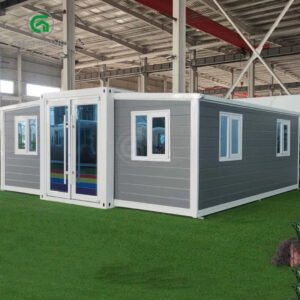
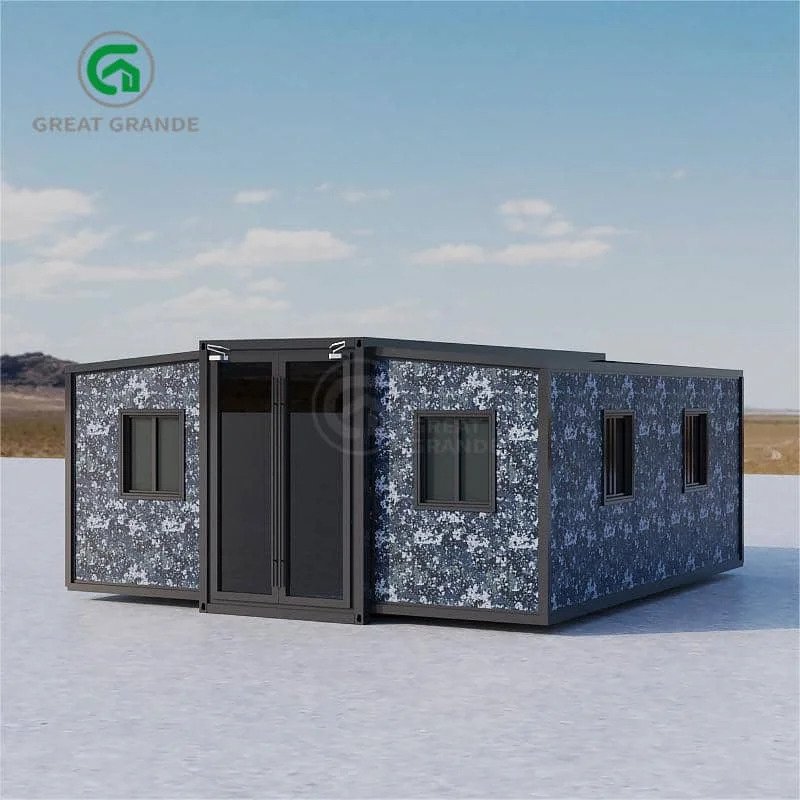
A container home is a finished steel box, welded and sealed, with the frame built in. A stick-built home is lumber framing assembled on your land, piece by piece, with every trade visiting the site.
That difference drives everything: speed, cost, and how much of the work happens in a factory versus in your yard where weather and labour both cost money.
The structure cost
Our units run from a 10ft base at $11,995 to a double-story villa at $31,995, delivered port-to-port. A comparable stick-built structure almost always costs more per square metre once framing, sheathing, roofing, and finishing are tallied.
For a small dwelling or an office annex, the gap is usually large in the container’s favour.
Where stick-built wins
Resale. In most markets, buyers and appraisers understand stick-built homes and value them conventionally. A container home can be harder to appraise and finance through a bank, and some buyers simply prefer the conventional look.
If you are building a forever home in a conventional neighbourhood, stick-built may serve you better on resale, even at higher cost.
Site work and foundations
Both need a foundation and utility hookups. Container homes can sit on simpler, cheaper pads in many cases because the steel shell carries its own load, but the site prep still costs real money and is roughly comparable.
Do not let anyone tell you site work is free on either side. It is not.
Timeline and control
Containers ship in weeks because the framing stage is already done in the factory. Stick-built runs months, and every weather delay on site is money.
If your timeline is tight or your site is remote with limited labour, the container route saves you more than just the sticker difference.
The verdict
For budget, speed, and durability on a small or unusual build, container wins. For a conventional family home where resale and appraisal matter most, stick-built still has the edge.
Know which one you are actually building for before you commit.
What you are actually comparing
A container home is a finished steel box, welded and sealed, with the frame built in. A stick-built home is lumber framing assembled on your land, piece by piece, with every trade visiting the site.
That difference drives everything: speed, cost, and how much of the work happens in a factory versus in your yard where weather and labour both cost money.
The structure cost
Our units run from a 10ft base at $11,995 to a double-story villa at $31,995, delivered port-to-port. A comparable stick-built structure almost always costs more per square metre once framing, sheathing, roofing, and finishing are tallied.
For a small dwelling or an office annex, the gap is usually large in the container’s favour.
Where stick-built wins
Resale. In most markets, buyers and appraisers understand stick-built homes and value them conventionally. A container home can be harder to appraise and finance through a bank, and some buyers simply prefer the conventional look.
If you are building a forever home in a conventional neighbourhood, stick-built may serve you better on resale, even at higher cost.
Site work and foundations
Both need a foundation and utility hookups. Container homes can sit on simpler, cheaper pads in many cases because the steel shell carries its own load, but the site prep still costs real money and is roughly comparable.
Do not let anyone tell you site work is free on either side. It is not.
Timeline and control
Containers ship in weeks because the framing stage is already done in the factory. Stick-built runs months, and every weather delay on site is money.
If your timeline is tight or your site is remote with limited labour, the container route saves you more than just the sticker difference.
The verdict
For budget, speed, and durability on a small or unusual build, container wins. For a conventional family home where resale and appraisal matter most, stick-built still has the edge.
Know which one you are actually building for before you commit.
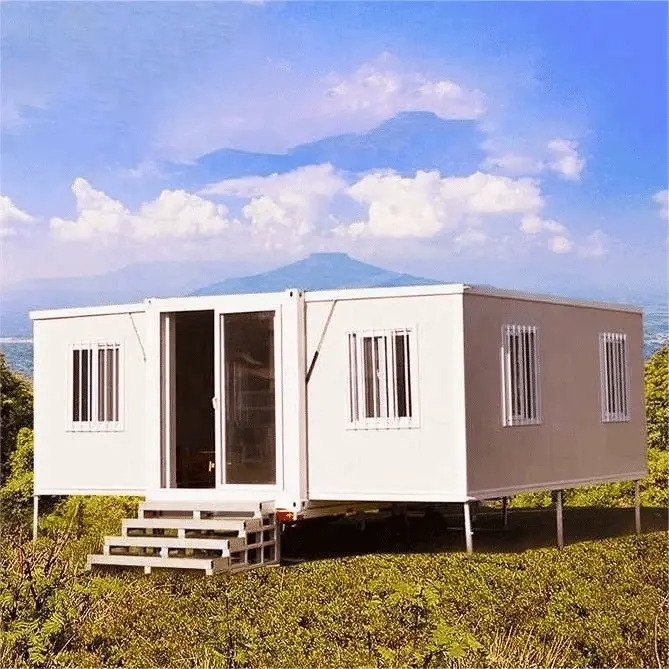
What you are actually comparing
A container home is a finished steel box, welded and sealed, with the frame built in. A stick-built home is lumber framing assembled on your land, piece by piece, with every trade visiting the site.
That difference drives everything: speed, cost, and how much of the work happens in a factory versus in your yard where weather and labour both cost money.
The structure cost
Our units run from a 10ft base at $11,995 to a double-story villa at $31,995, delivered port-to-port. A comparable stick-built structure almost always costs more per square metre once framing, sheathing, roofing, and finishing are tallied.
For a small dwelling or an office annex, the gap is usually large in the container’s favour.
Where stick-built wins
Resale. In most markets, buyers and appraisers understand stick-built homes and value them conventionally. A container home can be harder to appraise and finance through a bank, and some buyers simply prefer the conventional look.
If you are building a forever home in a conventional neighbourhood, stick-built may serve you better on resale, even at higher cost.
Site work and foundations
Both need a foundation and utility hookups. Container homes can sit on simpler, cheaper pads in many cases because the steel shell carries its own load, but the site prep still costs real money and is roughly comparable.
Do not let anyone tell you site work is free on either side. It is not.
Timeline and control
Containers ship in weeks because the framing stage is already done in the factory. Stick-built runs months, and every weather delay on site is money.
If your timeline is tight or your site is remote with limited labour, the container route saves you more than just the sticker difference.
The verdict
For budget, speed, and durability on a small or unusual build, container wins. For a conventional family home where resale and appraisal matter most, stick-built still has the edge.
Know which one you are actually building for before you commit.
What you are actually comparing
A container home is a finished steel box, welded and sealed, with the frame built in. A stick-built home is lumber framing assembled on your land, piece by piece, with every trade visiting the site.
That difference drives everything: speed, cost, and how much of the work happens in a factory versus in your yard where weather and labour both cost money.
The structure cost
Our units run from a 10ft base at $11,995 to a double-story villa at $31,995, delivered port-to-port. A comparable stick-built structure almost always costs more per square metre once framing, sheathing, roofing, and finishing are tallied.
For a small dwelling or an office annex, the gap is usually large in the container’s favour.
Where stick-built wins
Resale. In most markets, buyers and appraisers understand stick-built homes and value them conventionally. A container home can be harder to appraise and finance through a bank, and some buyers simply prefer the conventional look.
If you are building a forever home in a conventional neighbourhood, stick-built may serve you better on resale, even at higher cost.
Site work and foundations
Both need a foundation and utility hookups. Container homes can sit on simpler, cheaper pads in many cases because the steel shell carries its own load, but the site prep still costs real money and is roughly comparable.
Do not let anyone tell you site work is free on either side. It is not.
Timeline and control
Containers ship in weeks because the framing stage is already done in the factory. Stick-built runs months, and every weather delay on site is money.
If your timeline is tight or your site is remote with limited labour, the container route saves you more than just the sticker difference.
The verdict
For budget, speed, and durability on a small or unusual build, container wins. For a conventional family home where resale and appraisal matter most, stick-built still has the edge.
Know which one you are actually building for before you commit.
What you are actually comparing
A container home is a finished steel box, welded and sealed, with the frame built in. A stick-built home is lumber framing assembled on your land, piece by piece, with every trade visiting the site.
That difference drives everything: speed, cost, and how much of the work happens in a factory versus in your yard where weather and labour both cost money.
The structure cost
Our units run from a 10ft base at $11,995 to a double-story villa at $31,995, delivered port-to-port. A comparable stick-built structure almost always costs more per square metre once framing, sheathing, roofing, and finishing are tallied.
For a small dwelling or an office annex, the gap is usually large in the container’s favour.
Where stick-built wins
Resale. In most markets, buyers and appraisers understand stick-built homes and value them conventionally. A container home can be harder to appraise and finance through a bank, and some buyers simply prefer the conventional look.
If you are building a forever home in a conventional neighbourhood, stick-built may serve you better on resale, even at higher cost.
Site work and foundations
Both need a foundation and utility hookups. Container homes can sit on simpler, cheaper pads in many cases because the steel shell carries its own load, but the site prep still costs real money and is roughly comparable.
Do not let anyone tell you site work is free on either side. It is not.
Timeline and control
Containers ship in weeks because the framing stage is already done in the factory. Stick-built runs months, and every weather delay on site is money.
If your timeline is tight or your site is remote with limited labour, the container route saves you more than just the sticker difference.
The verdict
For budget, speed, and durability on a small or unusual build, container wins. For a conventional family home where resale and appraisal matter most, stick-built still has the edge.
Know which one you are actually building for before you commit.