Container Homes for Sale in North Carolina
Quick answer
We ship container homes to North Carolina. Units are built to order, delivered folded to reduce freight, and quoted per order because shipping and duties depend on the destination port.
- Range: 10FT studio to 40FT family homes, plus double-storey villas.
- Delivery: port-to-port (FOB); local duties and trucking arranged at your end.
- Ask for a quote with your nearest port and we’ll price freight and tariffs for North Carolina.
Get your quote on WhatsApp — tell us your size and nearest port.
North Carolina sits in a comfortable middle ground. Winters are mild, summers are warm and humid, and the cost of a traditional build keeps rising. A container home fits the climate and the budget, which is why interest here keeps growing.
We build in our factory and ship direct, so you buy from the manufacturer rather than a reseller.
A fit for the Carolina climate
The state’s mix of humidity and temperature swings suits steel well. Steel does not rot in damp air and does not attract termites, both of which are real concerns in the Southeast. The spray-foam insulation and double-glazed windows we fit as standard handle the humid summers and keep the unit comfortable year round.
Shoulder seasons here are long, which is a bonus. A well-insulated unit stays comfortable without heavy heating or cooling for much of the year.
Steel framing carries the structural load, so the interior walls do not have to. That allows larger openings, simpler finishes, and more flexible layouts than a framed house. The shell also arrives weather-tight, so the build moves quickly once the foundation is ready.
What is included
Every unit arrives with electrical and plumbing already run at the factory. That keeps the on-site trade work short and cuts one of the biggest hidden costs in any build. Spray-foam insulation and double-glazed windows come as standard.
Sizes and pricing
The 10FT unit gives 160 square feet from quote on request good for a studio, office, or guest space. The 20FT gives 320 square feet from quote on request. The 40FT two-bedroom spans over 800 square feet from quote on request.
Payment is by bank transfer in full — we do not offer financing.ion work on sloped ground.
Production takes 2 to 3 weeks, freight 25 to 45 days, and deployment 6 to 10 weeks.
Where it works best
Rural and mountain land is a natural fit, especially where a conventional build would be slow or costly. The coast brings its own rules — wind zones, flood zones, and setback requirements — that shape the foundation spec. Inland sites are simpler and cheaper.
Access is usually easy on inland lots. A crane truck needs a clear path and a firm pad, which flat ground provides. Mountain lots take more planning because of slope and narrow roads, and the pad may need extra preparation before the unit arrives.
Many buyers pair a container home with land they already own or buy at the same time. A unit can sit on a small or awkward lot that would never take a conventional house, which opens up parcels other buyers pass over. The lighter foundation needs also keep the ground work affordable.
Mountain lots bring slope and access questions. A steep site may need extra foundation work or a different pad location, and the crane truck needs a firm, reachable spot. Flat or gently sloped land keeps the setup simple and the cost low.
Guest units and rental income
The state’s mix of tourism and growing towns supports rental demand. A container unit can work as a guest house, an Airbnb near the mountains or the coast, or a long-term rental beside your main home. The durable finish suits frequent turnover, and the steel shell handles the humid climate well.
Check local short-term rental rules before counting on that income. Some towns limit rental nights or require a permit. The build is often the easy part; the rules decide what you can do with it.
Timeline from order to move-in
Foundation prep runs one to three weeks on typical ground, longer on slopes or coastal sites. Production takes two to three weeks. Freight to North Carolina adds roughly 25 to 45 days. Placement takes a day or two, then connections and finish work add two to three weeks.
Most buyers are in the unit within six to ten weeks of a ready foundation. Starting the permit and site work early keeps the whole schedule moving. The unit itself is rarely the bottleneck — the site work and approvals set the pace, so get those underway before you order.
FAQ
Are container homes legal in North Carolina?
In most of the state, yes. Rural counties are the simplest. Cities and coastal areas apply zoning and building rules, and some have accessory dwelling provisions. Check with your local planning department before ordering.
How much does a container home cost in North Carolina?
From quote on request for the 10FT to quote on request for the 40FT two-bedroom, plus freight of quote on request to quote on request a foundation of quote on request to quote on request and site work or permits.
Do container homes work in humid climates?
Yes. Steel does not absorb moisture or rot, and the spray-foam insulation we fit as standard controls condensation. That combination holds up well in the humid Southeast.
Get a North Carolina quote
Send us your location, the size you need, and how you will use the unit. We will confirm freight to North Carolina and send a quote for a build suited to the local climate and code.
Related Container Home Guides
- Container Homes by State
- Shipping Container Homes for Sale
- Container Home With Land
- Container Home Airbnb
- Container Home Price
Products
-
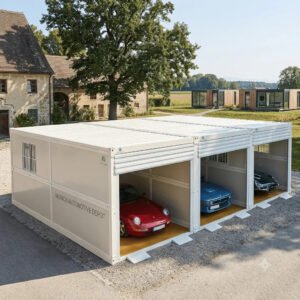
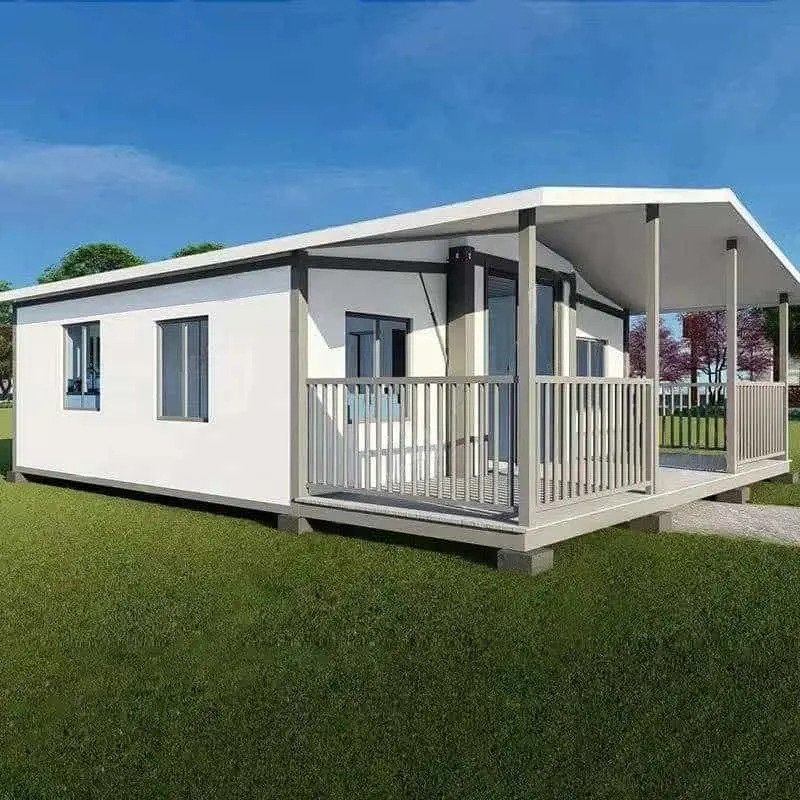
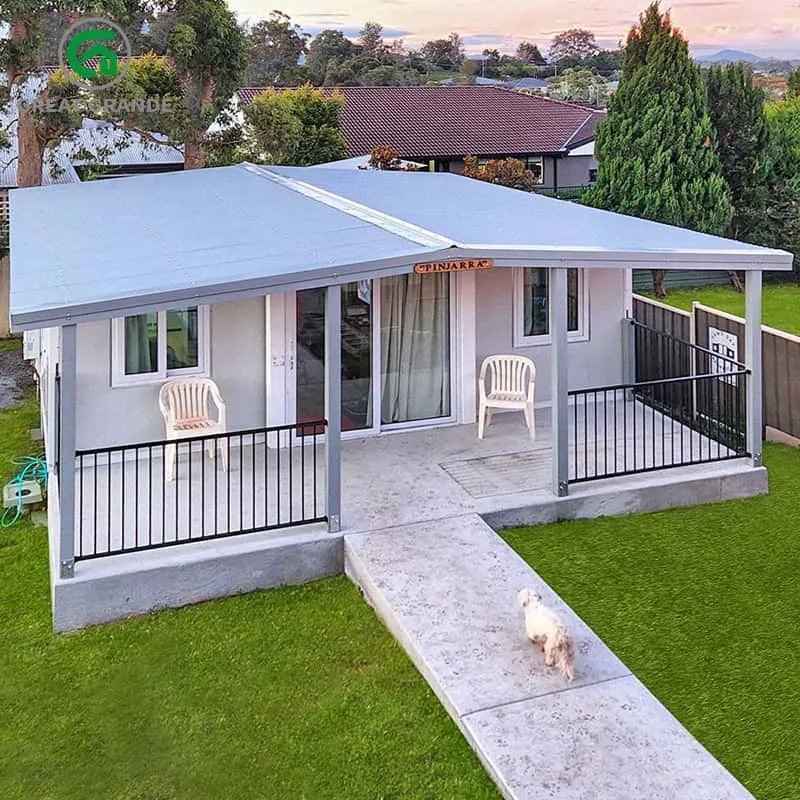
Double-Story Villa Container Home (148 sqm)
Quote on requestGet a quote on WhatsAppTariffs, duties and shipping are extra. -
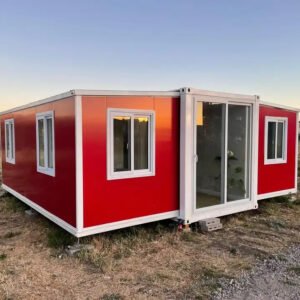
40FT Premium Container Home (74 sqm)
Quote on requestGet a quote on WhatsAppTariffs, duties and shipping are extra. -
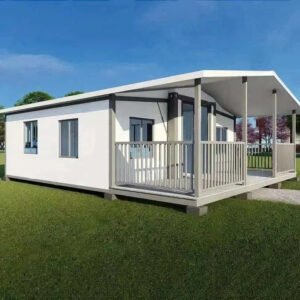
20FT Premium Container Home (37 sqm)
Quote on requestGet a quote on WhatsAppTariffs, duties and shipping are extra. -
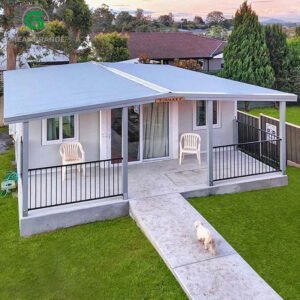
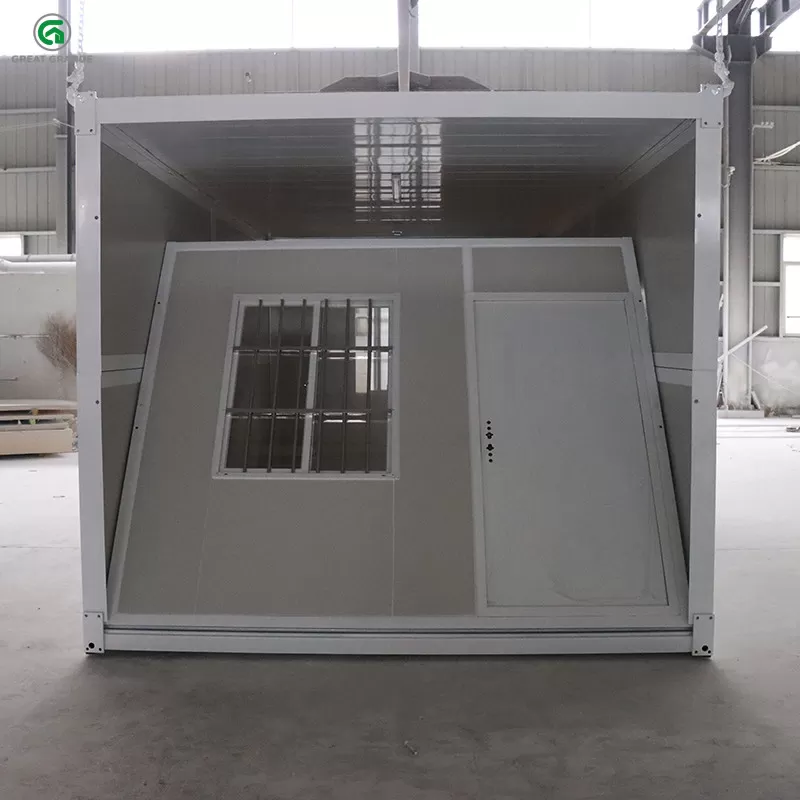
10FT Expandable Container Home (18.5 sqm)
Quote on requestGet a quote on WhatsAppTariffs, duties and shipping are extra. -
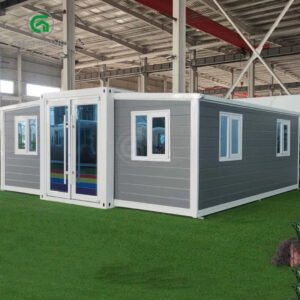
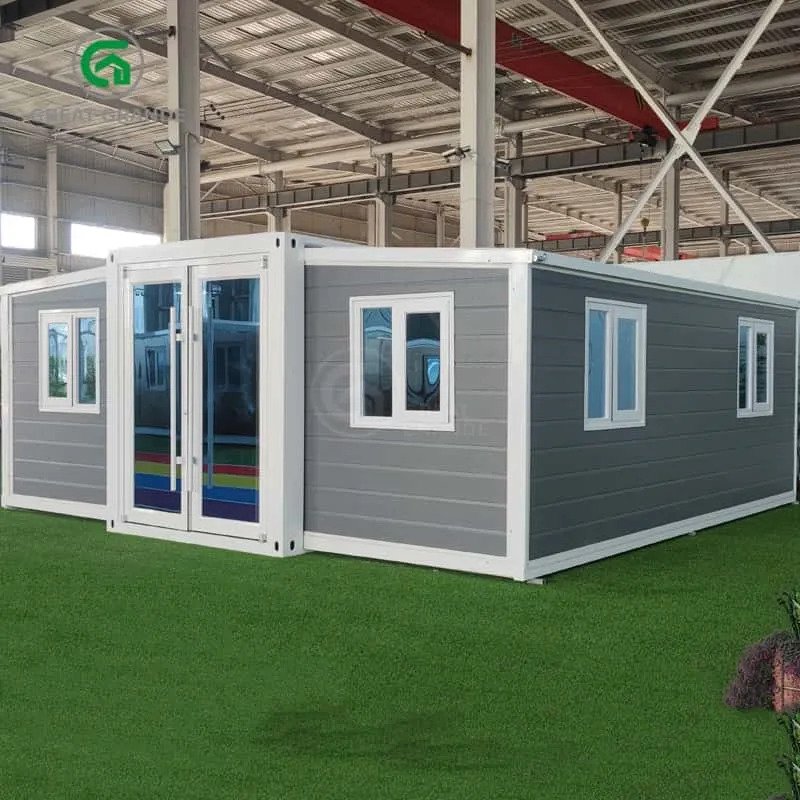
20FT Expandable Container Home
Quote on requestGet a quote on WhatsAppTariffs, duties and shipping are extra.
Recent Posts
Container Home Cost Breakdown 2026: What You ...
June 1, 2026 Comments Off on Container Home Cost Breakdown 2026: What You Actually Pay (Itemized)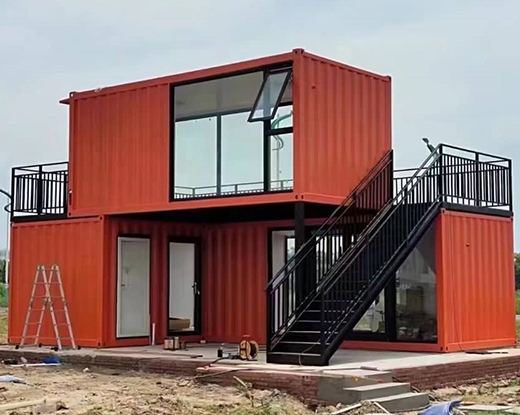
Container Homes: Redefining Sustainable Living Spaces
December 24, 2023 Comments Off on Container Homes: Redefining Sustainable Living Spaces
Container Home Shipping Cost From China: Complete ...
June 1, 2026 Comments Off on Container Home Shipping Cost From China: Complete Guide (2026)
Container Home vs Barndominium vs Tiny House: ...
June 1, 2026 Comments Off on Container Home vs Barndominium vs Tiny House: Which Is Cheaper?