Quick answer
Container homes can perform well in earthquakes and high winds because the steel frame is strong and rigid, provided they are properly anchored to a suitable foundation. The base and the connections matter as much as the unit. Payment is by bank transfer in full; there is no financing.
- A rigid steel frame handles lateral loads well
- Anchoring to a proper foundation is essential
- A local engineer confirms the design for your risk zone
Get your exact quote on WhatsApp
Why steel frames perform well
A container is a stiff steel box, which is a good shape for resisting the sideways forces of wind and ground shaking. The frame does not rely on brittle materials to stay together.
The importance of anchoring
Even a strong frame must be tied down. Units are anchored to the foundation so they cannot slide or lift. The size and type of anchor depend on the expected wind and seismic loads.
Foundation design for risky zones
In earthquake or cyclone regions, the foundation and its connection to the unit are engineered together. A local structural engineer designs this for your specific zone and soil.
Openings and glazing
Large openings and windows are the weak points in any structure under lateral load. Their size, position and fixing should be considered in the design so they do not compromise the frame.
Payment and delivery
Payment is by bank transfer in full. There is no financing. Units are delivered port-to-port under FOB terms and local transport and duties are extra.
How to order
Send your location, risk zone and nearest port for an exact quote.
Frequently asked questions
Do you offer financing?
No. Payment is by bank transfer in full before production.
How are units delivered?
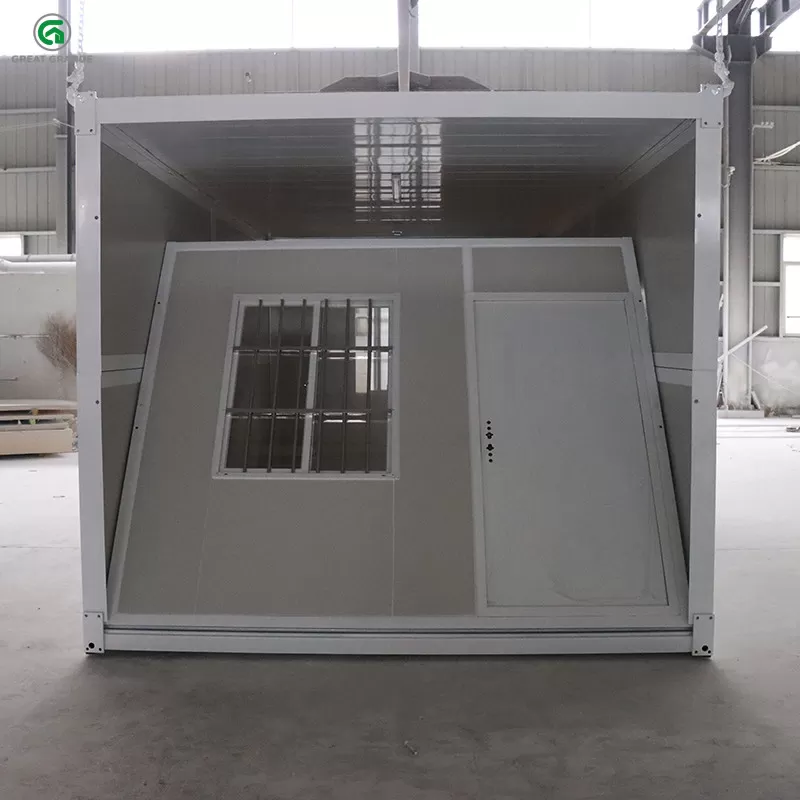
Units ship folded and are delivered port-to-port (FOB). You arrange local transport from the port to your site.
Can I order more than one unit?
Yes. Multi-unit orders ship together, which lowers the freight cost per unit.
Get your exact quote on WhatsApp: message us.
Tariffs, duties and shipping are extra.